Building confidence with money changes everything, but it can be tough to figure out where to start. Over the years, I’ve flipped through stacks of personal finance books; some classic, some popular, and each taught me lessons that stuck with me and even helped friends and family work through tough money questions. With so much advice out there, narrowing the options is tricky. That’s why I put together this guide—to help you find the best personal finance books if you want to make smarter decisions, pay off debt, or just get a handle on your finances in 2025.
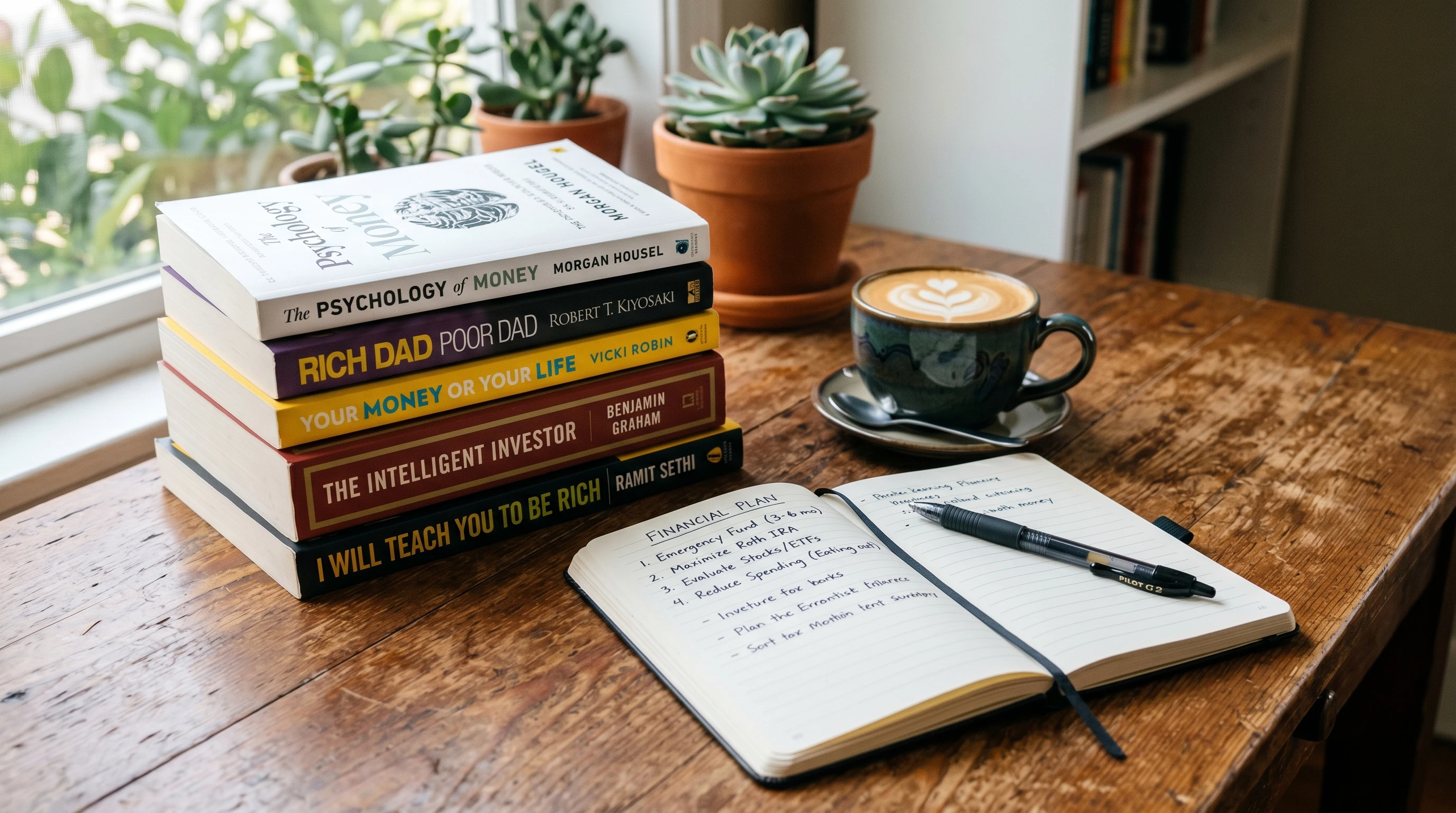
Why Read Personal Finance Books?
Books on money management have stood the test of time for a reason. They’re packed with real stories, proven ideas, and advice from people who’ve been there. While blog posts and YouTube videos offer quick tips, books often dig into key concepts and change how you think about money for good. I started reading these kinds of books during my first “oh no, where did all my money go?” moment right after college. Not every title is right for everyone, but jumping into different perspectives helps you stumble upon what fits your situation.
Money books don’t just focus on budgeting or saving. Many cover things like mindset, investing, relationships, and what to do when things don’t go as planned financially. Whether you’re a total beginner or someone tracking investments already, the right read can help you set up better habits and step up your money game.
Top 10 Personal Finance Books Worth Checking Out in 2025
I keep a list of books I recommend most often to anyone looking to change their money habits. Here are the top ten for 2025—an all-in-one mix of classics, newer favorites, and practical guides to make personal finance feel doable rather than daunting.
- “The Total Money Makeover” by Dave Ramsey
This book lays out straightforward steps for ditching debt, budgeting, and building long-term savings. Ramsey’s “no-nonsense” tactics may not fit everyone, but his baby steps plan can get big results if you see it through. - “I Will Teach You to Be Rich” by Ramit Sethi
Super readable and modern, this book covers everything from bank account strategies to automating savings. Sethi’s flexible approach lets you dream up a rich life on your own terms. - “Your Money or Your Life” by Vicki Robin & Joe Dominguez
This pick zooms in on your money mindset, getting you to connect your dollars to your values—not just hoarding cash. It’s about making money work for your happiness. - “The Millionaire Next Door” by Thomas J. Stanley & William D. Danko
Featuring research on what really makes people wealthy in America, this one proves that flashy isn’t always better. - “Broke Millennial” by Erin Lowry
Aimed at younger adults, this book covers basics like credit, budgeting, and investing but keeps things light instead of overwhelming. If you want money wisdom without heavy jargon, start here. - “The Simple Path to Wealth” by JL Collins
Want clear investment advice without extra stress? Collins spells it out plainly for anyone aiming to build wealth the easy way. It’s a favorite for the “set it and forget it” crowd. - “Rich Dad Poor Dad” by Robert Kiyosaki
This classic centers on shifting your mindset: focus on building assets and passive income rather than just a paycheck. - “The Psychology of Money” by Morgan Housel
This book jumps into how behavior shapes your finances, helping you make smart choices and understand the “why” behind your money moves. - “The Automatic Millionaire” by David Bach
Bach’s book is all about simple habits that remove willpower from the equation. With easy tweaks, you can build wealth steadily—even if life gets in the way. - “Smart Women Finish Rich” by David Bach
This practical read targets women but honestly has tips everyone can use. From goal-setting to investing, it helps you build real money confidence no matter your starting point.
How to Pick the Best Personal Finance Book for You
With so many books on managing your money, it’s easy to get lost. Here’s how I spot the right one for my own needs and recommend others do the same:
- Your Current Goals: Are you focused on getting out of debt, planning to invest, or just starting a budget? Pick a book with advice for your next step, rather than trying to solve everything all at once.
- Writing Style and Tone: Some titles are conversational or funny, while others are very straightforward. I like personal stories or humor, but you might want a “just the facts” approach. Check the writing style before you commit.
- Level of Detail: Beginners might feel overwhelmed by advanced tips. If you’re new, start with something labeled for beginners or with a clear, simple roadmap.
- Author’s Background: I always check in on who the author is—advisor, entrepreneur, or someone who fixed their own money mess? Their adventure often adds extra lessons and trustworthiness.
Key Lessons You’ll Find in the Best Money Books
Most tried-and-true money books keep coming back to a few key ideas. Here are some of the main lessons I’ve found while reading:
- Budgeting is Flexible: Each book recommends tracking your spending but not all suggest the same way. The trick is finding a method—envelope system, digital apps, or a monthly check-in—fitting your lifestyle.
- Building Wealth Takes Time: True, overnight success is rare. Regular saving, patient investing, and staying clear of get-rich-quick ideas all add up.
- Mindset Shifts Make a Difference: Money is emotional. When you adjust how you feel about spending, earning, and saving, everything else follows. “Your Money or Your Life” and “The Psychology of Money” are great for this.
- Start Small, but Get Going: No need to wait for a windfall. Many authors highlight how automating even a tiny amount of savings sets you up for bigger wins over time.
Main Challenges People Face When Managing Money (And How Books Help)
Personal finance is just that—personal. What’s easy for someone else might be super stressful for you. Here are a few common roadblocks and how the right book can smooth the way:
- Debt Feels Overwhelming: Advice in “The Total Money Makeover” or “Broke Millennial” helped me, and friends, break big debt into smaller, doable steps.
- Investing Seems Complicated: My first attempt to learn about stocks was confusing. Books like “The Simple Path to Wealth” and “I Will Teach You to Be Rich” break it down and make investing much less intimidating.
- Budgeting Feels Restrictive: Plenty of authors remind you that budgeting is about giving yourself more freedom, so you can spend on what matters, not just less overall.
- Too Much Information Online: A book with clear, step-by-step plans can often be way less overwhelming than the endless, sometimes conflicting, advice you find online.
Budgeting Approaches in Top Personal Finance Books
Most guides bring up at least one way to keep tabs on your money. These are the plans that turn up over and over:
- Zero-Based Budgeting: Assigning each dollar a task, as seen in “You Need a Budget” and supported by several top titles.
- 50/30/20 Rule: A guideline for splitting income between needs, wants, and saving—taught in Sethi’s and Bach’s books among others.
- Automation: Automatically moving money between accounts and paying bills. Both “The Automatic Millionaire” and “I Will Teach You to Be Rich” explain how this keeps you on track almost effortlessly.
How Personal Finance Books Adapt in 2025
The newest book releases don’t just recycle old ideas. Authors are looking more at issues like student loans, gig work, affordable housing, and dealing with financial stress in a post-2020 world. Recent books also go deeper into helping people with nontraditional income or those who aren’t following an outdated path to wealth.
Some newer recommendations even tackle cryptocurrency basics, newer ways to invest, and advice for those facing economic barriers. This means everyone has a better chance of tracking down timely advice, no matter their background or financial goals.
Frequently Asked Questions
Question: Which personal finance book is best for beginners?
Answer: Beginners will get the most from “I Will Teach You to Be Rich” by Ramit Sethi or “Broke Millennial” by Erin Lowry. Both are accessible and keep things engaging from the start.
Question: What’s a good book for learning about investing?
Answer: “The Simple Path to Wealth” by JL Collins and “The Automatic Millionaire” by David Bach are great launching points for investing. Both use simple steps and plain language anyone can follow.
Question: Are personal finance books still relevant in 2025?
Answer: Absolutely. Fresh money guides in 2025 have expanded to cover digital banking, freelance and gig work, and the importance of financial health, making them more useful and current than ever.
Final Thoughts
The best personal finance books aren’t about fancy tricks. They’re about figuring out your values, building habits, and making a money system that honestly works for your life. Whether you want to pay off debt, plan for the future, or start investing, there’s a book on this list that makes it all a lot clearer. If you’re set to take your money skills up a notch in 2025, starting with a few of these could make all the difference.
Share the books that most inspired and motivated you, and put them in the comments so we don’t miss any of the best books.