
Figuring out your paycheck can feel surprisingly tricky with all those deductions and codes mixed in. I remember opening my first pay stub, expecting to see my full earnings, and ending up confused by all the amounts taken out. Understanding your paycheck is super important for getting a real sense of how much you actually take home each pay period—not just your gross earnings, but what really lands in your bank account after all those paycheck deductions.
Understanding Your Paycheck Stub
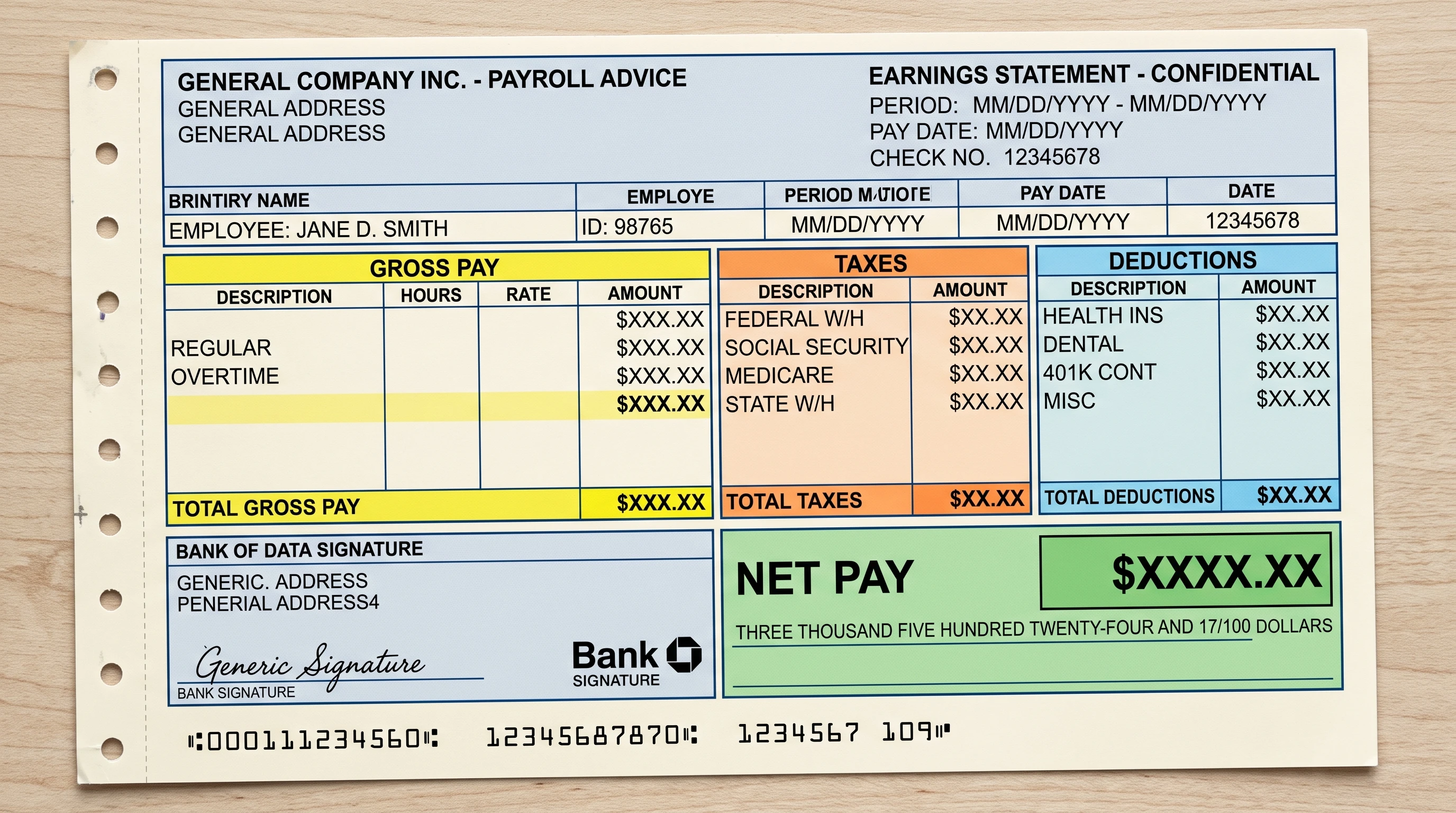
The paycheck stub, sometimes called a pay stub, paycheck statement, or paycheck stub withholding statement, is your record of every payday. It shows not only how much you’re paid, but also every deduction, tax withholding, and employer contribution taken out and added in. Getting comfortable reading your pay stub gives you a clearer view of your finances and helps you spot any mistakes that could show up in deductions or hours worked.
Many people ask, “How can I understand my paycheck?” or “What do all these codes on my pay stub even mean?” There isn’t just one standard setup. Employers use different formats, and federal pay stubs can come with their own acronyms, but most will include similar info. Here’s what usually appears on a typical paycheck stub:
- Gross Pay: This is the total amount you earned before any taxes or other deductions come out. It’s basically your hourly wage or salary times the number of hours worked (plus any bonuses or overtime).
- Net Pay: This is the amount you actually take home. It’s what remains after all paycheck deductions and withholdings are subtracted from gross pay.
- Taxes: The main taxes withheld are federal income tax, Social Security tax, and Medicare tax (sometimes FICA taxes). You may also see state income tax and local taxes, depending on where you live.
- Other Deductions: These might include things like health insurance premiums, retirement plan contributions (like 401(k) or pension), union dues, wage garnishments, and voluntary benefits.
- Employer Contributions: Some paycheck stubs show what your employer pays into benefits on your behalf, like their share of your health insurance or retirement plan.
Understanding your paycheck stub isn’t just about following your earnings, but also making sure nothing’s off with your withholdings or deductions. If you notice something that doesn’t look right, checking in with HR or payroll is usually a good idea.
Breaking Down Paycheck Deductions Explained
Paycheck deductions can look like a collection of mystery abbreviations. If you’re after a simple breakdown, here’s an overview of the deductions you’ll usually find on a pay stub, what they mean, and why they’re taken out:
- Federal Income Tax: Withheld based on how you filled out your W-4 form and your earnings. This goes straight to the IRS to cover your federal tax bill each year.
- State Income Tax: Not every state charges this, but if yours does, it’s withheld according to your earnings and your state’s rules.
- Social Security Tax (FICA): This is a flat percentage (right now, 6.2% from you and another 6.2% from your employer) that funds the national Social Security program.
- Medicare Tax (FICA): Taken out at 1.45% (with no earnings cap). Higher earners might see an extra Medicare tax if they’re over a certain threshold.
- PreTax Deductions: These often include health insurance, dental or vision plans, contributions to flexible spending accounts (FSAs), and retirement plan payments (like a 401(k)). These lower your taxable income, which can be pretty handy for saving on taxes now.
- PostTax Deductions: These might show up as disability insurance, union dues, or wage garnishments. Because they’re taken out after taxes are calculated, they don’t reduce your taxable income.
- Employer Contributions: Sometimes visible, these show what your boss kicks in toward your benefits, like matching retirement contributions or health insurance premiums.
Understanding deductions on your paycheck helps you plan your budget and know where your money is going. It’s pretty common to wonder why your take-home pay ends up so much lower than your salary. The answer is usually in these deductions. If you’re just starting a job or got a promotion, comparing your before and after pay stubs can really help you get a feel for how different deductions change your net pay. Some people even use spreadsheet tools to keep track of the pattern of deductions, which is handy during tax time or when making changes to their benefits selections. The more you keep an eye on it, the less likely you are to get caught off guard.
Quick Steps to Read Your Paycheck Like a Pro
Understanding your pay stub gets a whole lot easier once you know what to look for. Here’s a quick approach to understanding your paycheck stub and making sense of those numbers, whether you’re checking your latest physical pay stub or logging into an online portal:
- Locate Your Gross Pay: This is usually at the top. If you’re hourly, it’ll multiply your hours by your rate; if you’re salaried, it’s your portion for that pay period.
- Find Withholdings and Deductions: Taxes are generally grouped together, then insurance premiums, retirement, and anything else. Subtotals often help you review each category.
- Check Net Pay: This is the line most people care about. Compare it to previous checks for consistency.
- Glance at YTD (Year-to-Date) Totals: These show your overall earnings and what’s been withheld for the year so far. These figures are super useful for tax planning and figuring out if you’re on track with benefits.
- Review Itemized Descriptions: Each deduction line should have an abbreviation or acronym. If you’re not sure what something means, your HR department or payroll provider can explain it.
Getting familiar with these basics gives you peace of mind and helps you spot mistakes. For example, you might spot if you’re being charged for insurance you don’t have, or if your withholding level seems off for your situation. Regularly reviewing your stub can help you take action before any mix-ups snowball into bigger issues down the road.
Common Pay Stub Terms and Abbreviations
Pay stubs come packed with shortcuts and abbreviations. Here’s a cheat sheet for some you’re likely to see when understanding your federal pay stub or any employer’s version:
- YTD: YearToDate (shows total since January 1)
- FWT: Federal Withholding Tax
- SWT: State Withholding Tax
- FICA SS: Federal Insurance Contributions Act Social Security
- FICA MED: Federal Insurance Contributions Act Medicare
- 401(k): Retirement savings plan contribution
- HI or MED: Health Insurance or Medical
- GARN: Wage Garnishment
- PTO: Paid Time Off or Vacation
If you run into a deduction code you don’t recognize, never hesitate to ask for a short explanation. Payroll departments answer these questions all the time, so you’re definitely not alone. Keeping your own cheat sheet for abbreviations is a smart idea—especially if your employer likes to mash up abbreviations or uses internal terms for popular benefits.
Things to DoubleCheck on Your Paycheck
Mistakes happen, so keeping an eye on your paycheck stub makes sure you catch anything odd early on. Here are a few things worth reviewing every time you get paid:
- Hours Worked: If you’re hourly, check that your hours match your schedule.
- Overtime: If you’ve worked more than your normal hours, double check you were paid at the right rate.
- Benefits Deductions: Make sure you’re only paying for benefits you’ve signed up for (and no accidental double deductions).
- Tax Withholding: If you have a life change (like marriage or a new baby), review your tax withholding by submitting a new W-4. Too much, and you’ll be waiting for a refund next year; too little, and you could owe more at tax time.
- Net Pay Consistency: Sudden changes in net pay can point to a change in deduction, paycheck period errors, or other issues.
If you ever spot a mistake or have trouble understanding your pay stub, reach out to HR or payroll quickly. Most issues are easy to clear up and are fixed before your next check if you catch them early. In some rare cases, errors can go unnoticed for months; catching them fast saves headaches and helps ensure your tax records are accurate.
Advanced Tips for Reading Your Pay Stub Like a Pro
Once you’re comfortable with the basics, here are some practical moves to get even more from your paycheck stub:
Track Your Vacation and Sick Days: Many pay stubs list your current PTO balance, which is great for planning ahead or catching errors. Some companies show the rate at which time off accrues, letting you forecast how much you’ll have available for big trips or personal days later in the year.
Review Employer Contributions: Matching retirement contributions or health savings account payments from your employer add up and are worth tracking separately. Creating a spreadsheet to track both your own and your employer’s inputs ensures you really see the value of these benefits.
Compare to Your Offer Letter: Make sure the deductions for benefits, insurance, or other perks match what you agreed to when hired. Annual open enrollment is a great time to check that what’s coming out of your check lines up with what you actually want covered.
Save Digital Copies: Many employers now use online portals. Download copies of your pay stubs as you go, which will come in handy at tax time or if you need documentation for things like a mortgage application. Having your own organized archive can speed things up if you’re applying for major loans or need proof of income for a rental application.
Frequently Asked Questions About Paycheck Deductions
Question: How can I understand my paycheck deductions?
Answer: Start by comparing the deduction codes to resources your employer offers, and ask HR or payroll for any clarifications you need. They want you to understand your paycheck as much as you do. It also helps to keep a running list of what each abbreviation means. Don’t hesitate to ask for explanations in writing, which you can refer back to later.
Question: Why does my net pay change even if my salary stays the same?
Answer: Factors like tax bracket changes, benefits open enrollment, new deductions, or workplace changes can all affect net pay. Comparing the year-to-date rows helps spot these changes, and if something is unclear, request a breakdown from payroll.
Question: My paycheck deductions don’t match what I expected. What should I do?
Answer: Double-check your enrollment forms, and contact payroll as soon as you spot something different. Most problems are just simple administration errors and can be fixed quickly. Take screenshots or save copies of unusual pay stubs so you have proof when resolving any issues.
Question: What’s the difference between pretax and posttax deductions?
Answer: Pretax deductions reduce your taxable income now, so you pay less income tax. Posttax deductions come out after taxes are computed, so they don’t affect your tax bill but do lower your net pay. Understanding the timing of these deductions helps you plan for your overall tax situation.
Why Understanding Your Paycheck Matters
Learning to read your paycheck and understand payroll deductions goes way beyond just curiosity. It helps you manage your budget, plan for tax season, avoid surprises, and make smart decisions about benefits or withholdings. Getting proactive with your paycheck stub brings peace of mind, and you get to keep more control over your financial life. No more guessing, just clarity every payday. You might even spot opportunities to adjust your benefits and have more in your pocket each pay period. The more familiar you get with your pay stub, the more confident you’ll be in your overall money game.
Put in the comments the first time you noticed all of the deductions on your check and what a revelation it was!