If the thought of taxes makes you a bit nervous, you’re not alone. Figuring out how taxes work can seem like a puzzle, but a little knowledge goes a long way toward helping you feel more confident. I’ll break down what I think are the basics of taxes everyone should know, especially if you’re new to filing in the U.S. This’ll get you ready for tax season and help you keep more of your hard-earned cash where it belongs. Let’s get started.
What Are Taxes and Why Do We Pay Them?
Taxes are government fees charged on what you earn, buy, or own. The money collected pays for services we all use. That means roads, schools, defense, healthcare programs (such as Medicare), and more. You can think of taxes as your share for keeping things running smoothly in the country.
Taxes come in a bunch of shapes. Here are the main types of taxes you’ll hear about in the U.S.:
- Income Taxes: Paid on money you make, such as wages, interest, or investment profits.
- Payroll Taxes: Taken out of your paycheck to help pay for Social Security and Medicare.
- Sales Taxes: Paid when you buy goods or services in most states.
- Property Taxes: Local tax on home or land ownership.
Most people start their tax adventure with federal income taxes, which get filed every year with the IRS. This is where federal tax rules for beginners really start to matter. Learning these early on gives you a much better understanding and helps you avoid any surprises.
Federal Tax Basics: Rules and Procedures
Getting a handle on federal tax rules for beginners is super important. The process might feel complex at first glance, but the fundamentals stay the same year after year:
- You Only Pay Taxes on Taxable Income: Certain income is excluded by law. For instance, gifts (up to a certain amount), life insurance payouts, and some government benefits.
- Filing Status Matters: Single, married filing jointly, head of household, and others determine how much tax you pay and which deductions you get.
- The U.S. System is Progressive: The more you earn, the higher your tax rate, but only on the portion in each bracket. As you move up income levels, only the new amount gets a higher rate.
- Popular Deadlines: Taxes are due every year in April. Sometimes this date shifts by a day or two if April 15 falls on a holiday or weekend. Missing the deadline can mean penalties. Filing an extension gives you extra time to file, but you still need to pay what you owe on time to avoid extra fees.
The IRS runs the show for federal taxes. Their official website explains filing basics, current deadlines, and all updates to the U.S. tax code for beginners. They actually have some handy guides and FAQs designed for first-timers or anyone who feels lost in the paperwork.
How the U.S. Tax Code Works for Beginners
The U.S. tax code might seem massive, but here’s what I focus on when figuring out the essentials:
- Taxable Income: This includes wages, self-employment earnings, investment returns, and sometimes even tips or prizes.
- Deductions: These lower your taxable income. Two main types pop up every year: the standard deduction (a flat amount set by the IRS) and itemized deductions (things like mortgage interest, high medical expenses, or charitable gifts). You get to pick whatever lowers your bill the most, which sometimes means comparing the two.
- Credits: These cut your actual tax bill directly. Credits such as the Earned Income Tax Credit (EITC), Child Tax Credit, and education credits are all worth checking if you qualify.
Tax rules and procedures do change now and then, so keep an eye out for updates. But these basics show up on every tax return, no matter what.
Steps to Filing Your First Federal Income Tax Return
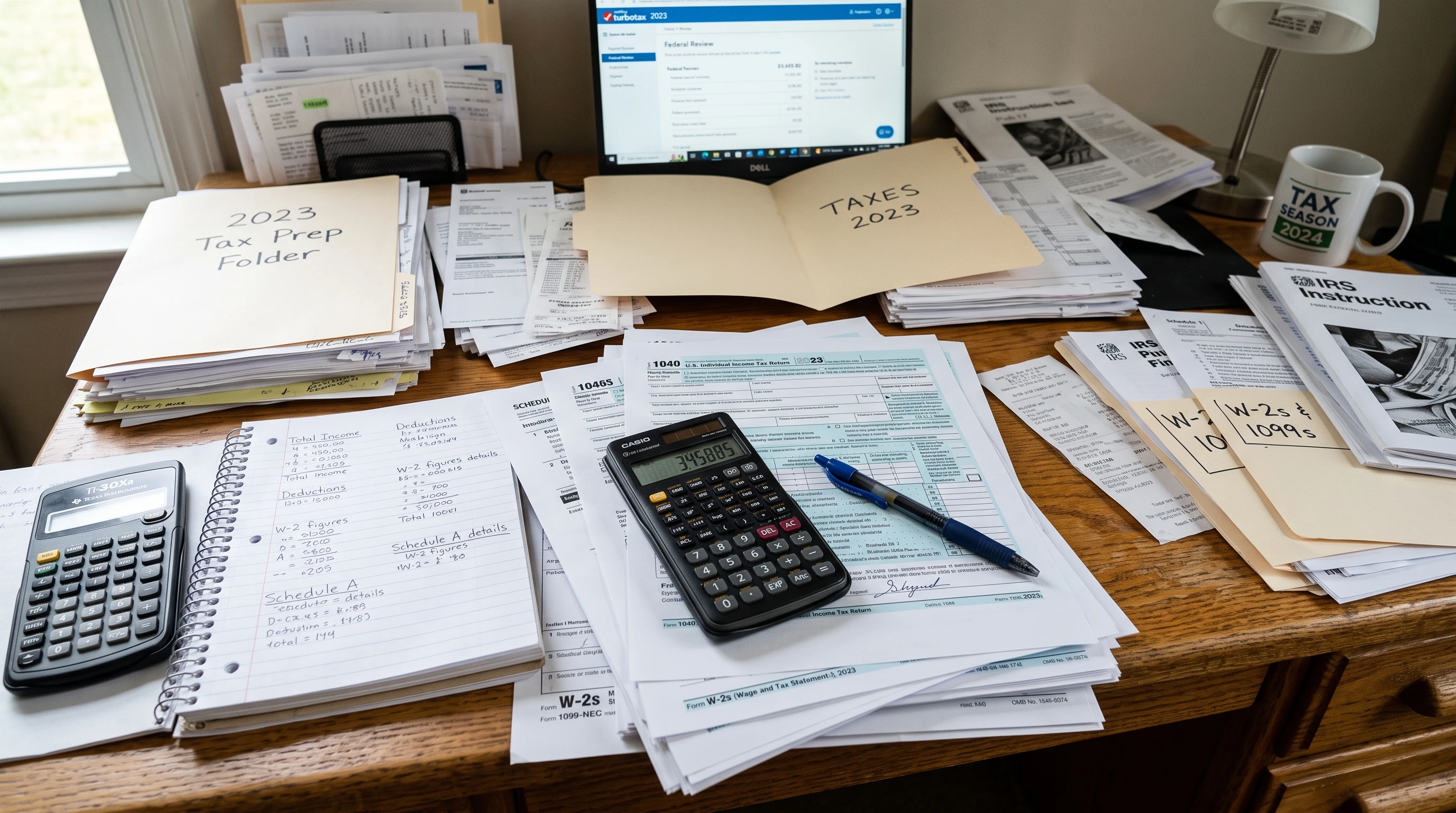
You don’t have to be a financial pro to file taxes. I find staying organized is half the battle. Here’s a quick step-by-step on how federal tax rules and procedures usually play out for beginners:
- Gather Your Documents: Collect W2s from jobs, 1099 forms if you did gig or freelance work, bank statements showing any interest, and receipts for things that might be deductible (like tuition, loan interest, or some medical bills).
- Choose a Filing Method: You can file online using IRS Free File tools, popular tax software, or paper forms. Filing online tends to be quicker, and refunds arrive faster.
- Pick Your Filing Status: Answer a few questions about your family or living situation. Your status affects which deduction you qualify for and how much tax you pay. If you’re not sure, the IRS website will help you sort it out based on your answers.
- Fill Out the Tax Return: Enter your income information, claim your deductions and credits, and calculate your tax bill or refund. Software or the IRS tools walk you through each step, so don’t worry if it seems overwhelming at first.
- Double-Check Everything: Review all entries before submitting. A typo in your Social Security Number or a missing form can hold up your refund, so a little extra care up front pays off.
- Submit and Keep Records: Always print or save a digital copy of your return and confirmation, just in case you need it later for reference or if the IRS requests further info.
Taking these steps methodically makes filing a tax return much less stressful. Plus, each year you do it, you’ll get even faster and more confident.
Common Tax Terms Explained
Here are some terms I think every beginner should have in their toolbox:
- W2: A form sent by your employer showing what you earned and what was withheld for taxes during the year.
- 1099: Used for income from freelance work, side gigs, or investment earnings.
- Adjusted Gross Income (AGI): This is your income after some specific deductions, used as a starting point for figuring your taxes.
- Withholding: The money taken out of your paycheck automatically for taxes. If too much is withheld, you get a refund. If not enough, you might owe money at tax time.
- Dependent: Someone you support financially, like a child. Claiming dependents can lower your tax bill. If you have questions about who counts as a dependent, check the IRS guide—it’s more detailed than most people expect!
Typical Tax Mistakes Beginners Make (And How to Skip Them)
- Missing the Filing Deadline: It happens. Setting a calendar reminder or using notifications on your phone helps you stay on track.
- Forgetting to Report All Income: Even if you get paid in cash or do small side jobs, the IRS expects you to list every penny earned.
- Choosing the Wrong Filing Status: If your living situation changed this year, check the definitions carefully. A small switch can mean a sizable difference in your tax outcome. IRS resources and tax prep software both walk you through the status quiz.
- Not Checking for All Credits and Deductions: Many people skip valuable credits or deductions simply out of confusion or lack of time. For students, new parents, or caregivers, double-checking can mean more money in your pocket.
- Wrong Bank Info for Refunds: If you want direct deposit for your refund, always double-check your bank account and routing numbers.
Making these mistakes is all too common for first-timers, but taking small steps—like organizing paperwork early and using online help—can save you headaches down the road.
Key Ways to Stay Ahead of Tax Rules and Procedures
Federal tax rules and procedures can change each year. I keep things simple by:
- Following IRS social channels or checking their newsroom for updates and alerts.
- Paying attention to emails from my tax preparation software, since they notify you of important updates or requirements.
- Talking to a tax pro during big life changes like marriage, relocating to another state, or starting a new job.
For a snapshot of changes, the IRS offers resources for new filers and up-to-date guides on the tax code. Browsing these before filing can save you from missing new opportunities to reduce your tax bill.
FAQs: Federal Taxes for Beginners
How do I know if I need to file a federal tax return?
If you earned income above a certain dollar amount (varies by year and filing status), you usually need to file. The IRS interactive tool helps you figure this out quickly and simply.
What if I can’t pay my taxes right away?
No need to panic. You can still file on time and request a payment plan from the IRS. Filing on time is often better than waiting, even if you can’t pay in full, because it helps you avoid bigger penalties.
Can I file taxes myself?
Absolutely! Many beginners use online tax preparation tools or IRS Free File. If your taxes are straightforward, these make things a breeze, but a tax pro is a good pick if things are complicated or you started a business.
What’s the fastest way to get my refund?
Filing online and choosing direct deposit gets your refund to your bank account the quickest, sometimes in two to three weeks after filing.
Tips for Your First Year Filing Taxes
- Keep all your tax forms—paper or digital—in one spot as you receive them early in the year, so you’re ready to go when tax season hits.
- Use the IRS.gov website for official info. Their resources are beginner-friendly and easy to find your way through once you poke around a bit.
- If you get confused or stuck on something, check out free local VITA or TCE programs for help. These programs are designed for simple returns by beginners, seniors, or people with disabilities. Volunteers walk you through the basics step by step.
Kicking off with taxes might seem a little intimidating, but you definitely don’t have to figure it all out on your own. Federal tax rules for beginners are there to help, and with every year you file, it gets easier. Taking advantage of IRS tools, keeping organized, and reaching out for help if you need it can keep your tax season as stress-free as possible. And, who knows, you might even end up with a nice refund at the end of it all!
Leave a comment if i missed anything or you have a tax tip that saved you money in the past.