
Getting a handle on your finances often starts with a clear plan, and for a lot of people, that means setting solid financial goals. What really helped me keep those goals on track was using sinking funds. They’re one of my favorite practical tools to prepare for expenses without derailing my whole budget. If you’ve ever been hit with a car repair bill, holiday costs, or yearly insurance premiums, you know how fast it can feel overwhelming. Sinking funds take the guesswork out and help you meet financial goals steadily, one step at a time. Sinking funds will float your future.
What Are Sinking Funds and How Do They Work?
The idea behind a sinking fund is simple: it’s a separate stash of money you set aside regularly for a specific expense. Instead of scrambling to cover big costs all at once, you build up a little at a time. For example, I opened a sinking fund for holiday gifts by putting away $30 every month. By December, I had enough saved to shop stress-free.
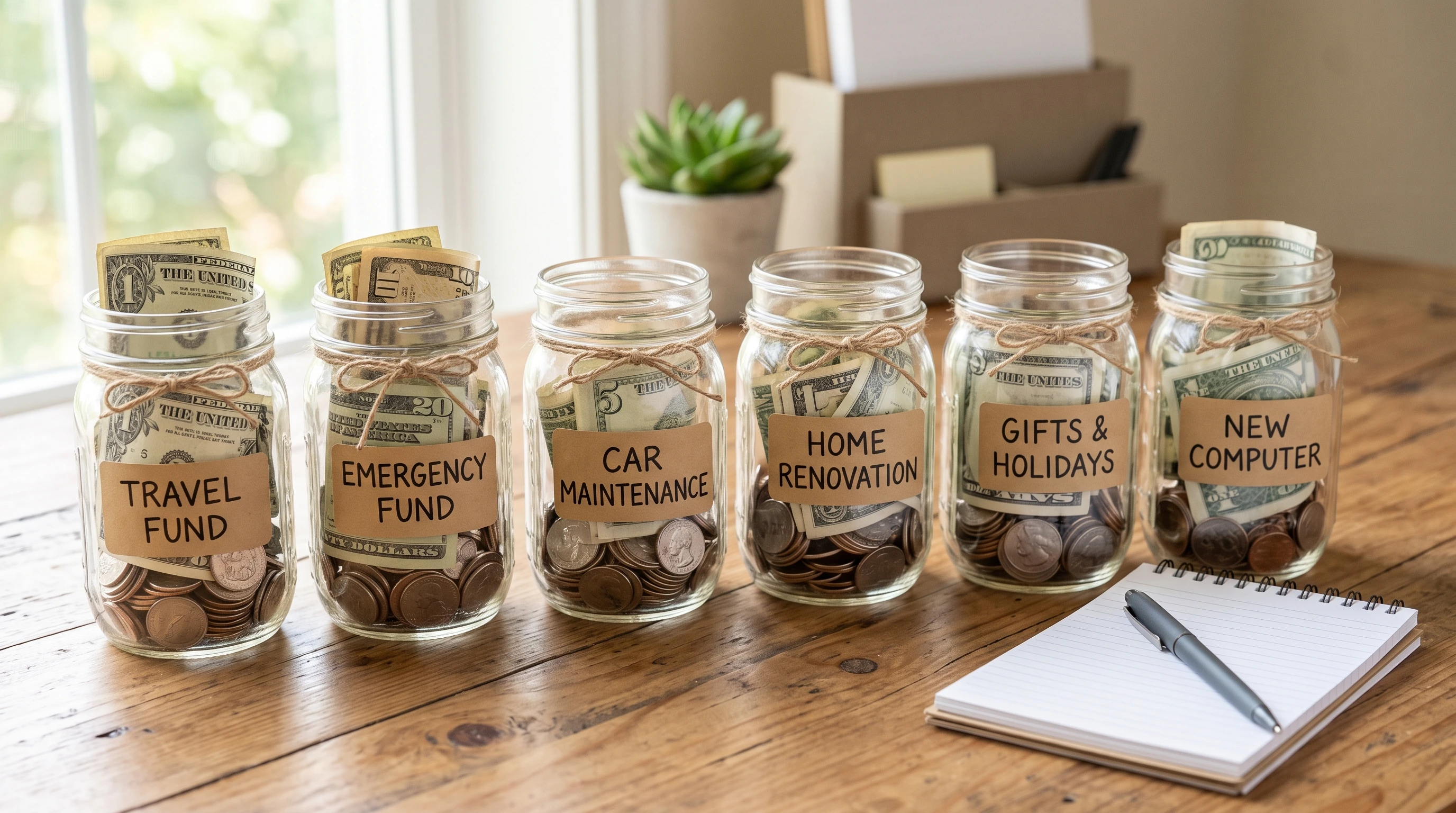
So, what is a sinking account? It’s often just a dedicated section of your regular savings account, but some people use envelopes, cash jars, or even digital banking features that let you split up your savings. There’s no hidden complexity. You don’t need a special bank product. It’s more about how you organize your money and track your savings goals.
Some common sinking fund categories include:
- Car repairs & maintenance
- Insurance premiums (car, home, etc.)
- Medical expenses
- Holiday gifts and celebrations
- Annual subscriptions or memberships
- Vacations and travel plans
This approach is super useful if you want to avoid dipping into emergency funds or reaching for a credit card, which often leads to extra fees or interest.
Is a Sinking Fund a Scam?
I see why some people might be skeptical about new money concepts, but sinking funds are not a scam. There’s nothing tricky or secretive about them. They’re simply a way of dividing your savings by purpose, so you know what your cash is meant for. In fact, banks, businesses, and even governments have used sinking funds for years to manage debt or plan expenses in advance.
With a sinking fund, your money stays in your account and stays in your control. You can set them up on your own, DIY-style, or use digital budgeting apps. There are no third-party fees or schemes; just a proven method of keeping your spending on track and avoiding surprises.
How to Set Financial Goals With Sinking Funds
Sinking funds can help you reach pretty much any financial target, from paying for a new laptop to managing yearly property taxes. Here’s how I set my goals and stick to them.
1. Decide What You’re Saving For
Start by making a list of irregular or upcoming expenses that always seem to sneak up on you. Think about car taxes, birthdays, back-to-school shopping, and stuff like annual pet visits. Make each item its own category.
2. Figure Out How Much You’ll Need
Estimate each expense as best as you can. If you’re not sure, round up a bit. For big costs, try looking at past spending or research typical prices. If your car insurance is $600 a year, you’ll want to save $50 a month. For vacations or DIY home projects, use your best guess plus a small cushion for unexpected stuff.
3. Choose a Sinking Fund Setup
Go with what you find easy. A lot of people like using savings subaccounts for each goal; many banks now offer this as a feature. I personally love the visual method of clear jars with labels or digital envelopes in budgeting apps. Just steer clear of mixing all your funds in one big pile. Clarity is key for keeping your motivation up.
4. Automate Contributions
Set up an automatic transfer or just add a recurring calendar reminder so you don’t forget. I find it easier to “set and forget” the process. Automating your sinking funds keeps you on track, even on busy weeks. If your paychecks come biweekly instead of monthly, adjust your contributions to fit your pay schedule, so each fund grows right along with your earnings.
5. Keep Track and Adjust If Needed
Life changes, and so will your savings needs. Review your sinking funds once every few months. Some years, school costs are higher; sometimes, you get a year of good luck on car repairs. Adjust the amounts or categories as needed. If you ever end up with more than you need in one fund, you can easily transfer extra savings into another category or treat yourself to something small as a reward for staying so disciplined.
Setting Up Your Own DIY Sinking Funds
DIY sinking funds are easy and don’t need high-tech tools. Here’s what works for me and lots of others who like hands-on methods:
- Select a container or envelope for each category.
- Label each one with the goal name (like “Car Maintenance”).
- Divide up your monthly contribution across these containers, either in cash or digital notes.
- Use sticky notes or a simple tracker to see your progress.
Digital alternatives are handy too. Most online banks allow you to set up multiple savings spaces under one account. Mobile apps, like YNAB (You Need a Budget) or Goodbudget, make this pretty simple with “envelope” features. Some banks and finance apps even offer instant notifications when you move money into your sinking funds, which can make saving a bit more motivating each month.
How Much Should You Put Into a Sinking Fund?
There’s no single answer, but the usual method is to divide your total estimated expense by the number of months (or weeks) until you need it. For something due in a year, split it by 12 months; for something three months away, divide by 3. If a holiday trip might cost $1,200 and you have 12 months, that’s $100 per month. If you’re planning for something new, like a home appliance or a weekend trip, just make your best estimate and update it as you go along.
If your budget is tight, even small contributions count. Sinking funds are flexible, and you control how much goes in. You can add more when you have extra cash, skip a month if needed, or combine spare change from various categories for an added boost. Sinking funds don’t need to be perfect to work well; the most important thing is consistency.
Benefits of Sinking Funds for Sticking to Financial Goals
- Predictable Expenses: It’s way less stressful to know you’re actually prepared.
- No Need for Loans or Credit Cards: Planning means fewer last-minute “emergencies.”
- Helps Stick to Budgets: Spending has boundaries, which keeps other savings and bills safe.
- Makes Big Purchases Possible: Want a new gadget, a trip, or home project? Sinking funds turn “someday” into a real date.
- Peace of Mind: When you use sinking funds, you’re less likely to worry about whether you can handle upcoming expenses, because you’ve already prepared for them without draining your regular bank account.
Things to Consider Before Starting Sinking Funds
- Number of Funds: Too many categories can get confusing, especially at first. I’d suggest 3-5 to start. As you get used to organizing your savings, you can branch out with more specific goals.
- Access: If you need quick access, cash or a flexible savings account might be better than a CD or investment account.
- Mixing with Emergency Fund: Emergency savings are for true surprises only. Keep sinking funds just for planned expenses. Blending the two can make it tough to tell how much is safe to spend or move around.
- Bank Fees: Make sure your banking method doesn’t sneak in extra fees for multiple accounts or transfers. Some banks offer free subaccounts or savings pots, so it’s worth checking their options.
Frequently Asked Questions
What are sinking funds, and how do they work for regular people?
Sinking funds are extra savings buckets you create for planned or even irregular bills. They work by helping you break down large bills into smaller, regular savings goals, so you have the money when you need it. This keeps big costs from messing up your monthly budget.
How do I set up a sinking fund?
Decide on a category, pick a savings spot (jar, envelope, or subaccount), and divide the total expense by the time until it’s due to find your monthly goal. Add to the fund regularly and track your progress. That’s it!
Is a sinking fund a scam?
Nope, not at all. Sinking funds have been around a long time and just help you plan ahead for expenses. No sign-ups or third-party managers required. It’s something you control yourself.
How much should I put into each sinking fund?
Divide your total estimated bill by the number of pay periods until you need the money. If you can’t save the full amount right now, just do what you can. Even $5 or $10 per fund is way better than nothing.
What’s the difference between a sinking fund and an emergency fund?
Emergency funds are for surprise expenses, like a job loss or medical emergency. Sinking funds are for planned, but irregular, bills that you know will happen at some point but aren’t monthly. Using both helps keep your finances in good shape.
What is a sinking account?
It’s another word for your sinking fund savings container; could be a bank subaccount, labeled envelope, or any separate spot you use to stash your sinking fund money.
Why Sinking Funds Are Worth the Effort
Using sinking funds lets you plan ahead and face expenses with confidence instead of anxiety. After a year of using them, I noticed way less stress around the holidays, fewer surprise overdrafts, and a lot more control over my finances. They’re simple, flexible, and you can adjust as you go. No big secret handshake required. Sinking funds don’t just help you reach your financial goals; they make the whole adventure feel way more manageable. If you’re serious about sticking to your money goals, setting up a few sinking funds is definitely worth checking out and may just be the small habit that gives your finances a real boost.
Comment “Think Sink” and let me know how sinking funds will pay off for you to reach your goals.