
Building an emergency fund gives your finances a safety net, helping you breathe easier when life throws curveballs your way. In other words, an emergency fund keeps you from having to work a third job busking for quarters in front of Taco Bell. From job loss to car repairs or unexpected vet bills, an emergency fund means you don’t need to reach for a credit card or a loan every time something unexpected pops up. Figuring out exactly how much you should have set aside isn’t always straightforward, but I can walk you through how I tackle it—and share some tips that have helped me along the way.
What Is an Emergency Fund and Why Does It Matter?
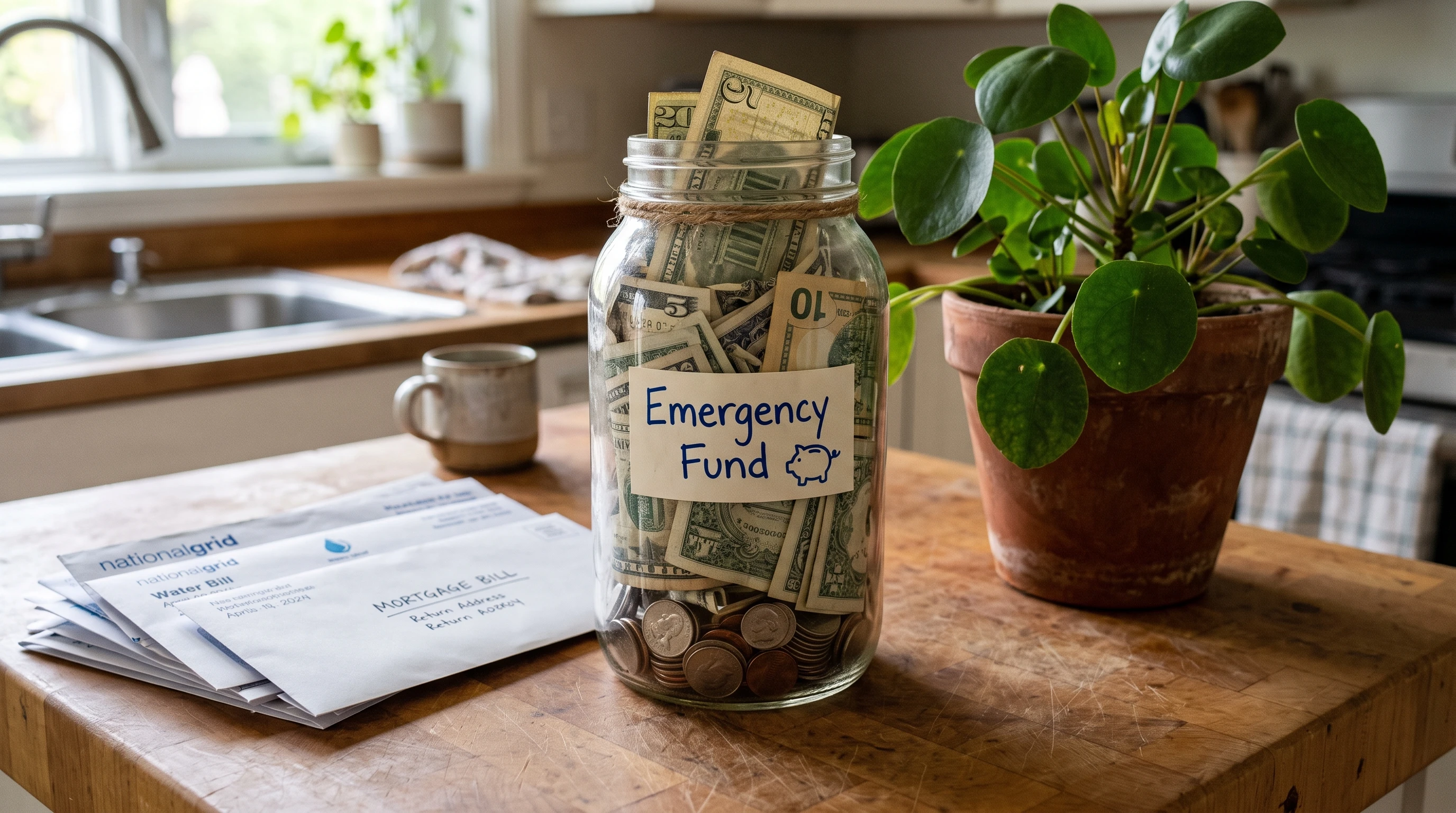
An emergency fund is just cash you tuck away in a savings account so you can get to it quickly if something urgent comes up. I find it really helpful for avoiding extra debt and keeping stress in check, especially when facing big-ticket surprises like medical bills or fixing the water heater. It’s not about investing for growth; it’s about having money ready to go when you need it most.
Whether you rent, own a home, have kids, or fly solo, an emergency fund’s main purpose is to act as financial back-up. Most financial experts and sites like NerdWallet, agree that it’s a pretty handy thing no matter how your life looks.
How Much Emergency Fund Should You Save?
This is probably the question I hear the most. There are a couple of approaches, and the answer really depends on your personal situation. Here’s what’s recommended most often, and why:
- Three to Six Months of Living Expenses: The usual advice is to save enough to cover three to six months’ worth of basic expenses. This includes rent or mortgage, utilities, groceries, insurance, minimum debt payments, and anything else you absolutely can’t skip. This range comes up all the time because it typically gives you a decent cushion if you lose your job or need time to job-hunt.
- Starter Emergency Fund (About $1,000): If that big number feels out of reach, starting with $1,000 can really help buffer smaller bumps. Some folks save this much while they’re paying off other debts.
- More for Unstable Income or Dependents: If your income is unpredictable (think freelancers, contractors, or gig workers) or if you have a big family or higher expenses, three to six months may not cut it. Sometimes aiming for up to nine months is a safer fit.
The NerdWallet emergency fund calculator is really useful for plugging in your real numbers to get a custom goal. It takes the guesswork out if you’re not sure where to start.
Calculating Your Ideal Emergency Fund Amount
Getting specific is super important. Here’s the quick and simple way I do it:
- List out your basic monthly expenses. For me, that’s rent, utilities, groceries, health insurance, gas or transit, and the minimum on loans.
- Total it up; let’s say mine is $2,000 a month.
- Multiply by 3 (for a starter fund), 6 (for a stronger safety net), or even 9 if my income is rocky.
So with $2,000/month, a three-month emergency fund would be $6,000. Six months? $12,000. This is exactly how most experts talk about the recommended amount for an emergency fund and typical emergency fund size.
Don’t forget: everyone’s numbers look different. Some people need more than six months because of mortgages, medical needs, or being the main provider. Others who have a partner, stable job, or low living costs might be comfortable with less. Flex it to fit your real needs, not anyone else’s.
Where to Keep Your Emergency Fund
I like to keep my emergency savings separate from my spending account. High-yield savings accounts are a nice choice because you can get a bit of interest and still access your money quickly. Avoid tying these funds up in investments like stocks, retirement accounts, or CDs that aren’t liquid enough for real emergencies.
Some online banks make it easy to label accounts, like “Rainy Day Fund” or “Oh Crap Savings,” so I’m not tempted to dip into it for non-emergencies.
When Should You Use Your Emergency Fund?
These funds are really meant for things you can’t predict or avoid. For me, if it’s something sudden, necessary, and can’t be delayed, it probably counts:
- Loss of income
- Medical emergencies or urgent dental work
- Car breakdowns
- Critical home repairs
- Unexpected travel for family emergencies
Things like vacations, back-to-school shopping, or new furniture aren’t emergencies; those belong in a regular savings goal.
Tips for Building Your Emergency Fund
Reaching your goal doesn’t need to happen all at once. Here’s what’s really helped me:
- Start small and automate: Even $20 a week moves the needle. I set up an automatic transfer so I don’t forget.
- Stash windfalls: Tax refunds, birthday money, or work bonuses can quickly beef up the fund.
- Cut unnecessary expenses: For a few months, I made coffee at home and skipped takeout, moving that cash into my emergency savings.
- Treat it like a bill: I always pay myself first, before spending on extras.
Tracking progress keeps me motivated, and celebrating small milestones makes the process feel good. Setting reminders to check your progress once a month can help you keep building momentum.
Another small tip: Try assigning your emergency account a nickname that adds a little bit of humor or personality, like “Break Glass Savings” or “Just in Case Fund”. It helps reinforce that you shouldn’t touch it unless it’s a real need.
Common Challenges and How to Deal with Them
- Low income: If cash is tight, even $5 or $10 a month matters and builds momentum. Any buffer is better than none at all, and you’ll be glad it’s there if you suddenly face an emergency.
- Unexpected emergencies while saving: If I have to dip in early, I just pick back up as soon as I can. Life happens, and there’s no shame in starting over when needed.
- Tapping into the fund for non-essentials: Setting a clear “emergency” definition for myself makes it less tempting to use the money on something that could wait. You can even write out a list of what counts as an emergency, so you don’t have to make tough decisions in the moment.
It took me a while to hit my savings goal, but progress happened faster than I thought once saving became a habit.
Emergency Fund Myths and Misconceptions
I’ve heard a few myths that can trip people up. Here are answers to some of the ones I run into most:
- “My credit card can just be my emergency fund.” I get why this seems handy, but using plastic means you’re stuck with debt and high interest. Cash is just more flexible and less stressful.
- “I have investments, so I don’t need an emergency fund.” Stocks and mutual funds can drop in value right when you need cash most. Emergency funds work because you don’t have to sell at a loss.
- “I’m young and healthy, so I don’t need one.” Emergencies don’t care about age or health. Even a small stash is better than nothing.
Real-Life Examples: How Emergency Fund Targets Differ
Some friends I know do things a bit differently. A freelancer pal with inconsistent projects set a target of nine months’ expenses for peace of mind, while another with stable work and roommates felt fine with just three. When I was single and renting, my goal was smaller; now with a family, I aim closer to the six-month mark. Life stage, job certainty, and personal comfort all play a role.
In another example, one couple I know who both work government jobs decided a four-month cushion felt just right, while my cousin—who has three kids and a small business—shoots for almost a year, just to feel safe between contracts. There’s no one-size-fits-all; it’s all about knowing yourself and your situation.
Frequently Asked Questions
Here are some quick answers to the questions that pop up most often about building emergency funds:
Question: What’s the best way to decide my emergency fund amount?
Answer: Start by adding up your true monthly essentials, things you can’t go without, and multiply by at least three. If your income is unpredictable or you have extra obligations, bump it higher.
Question: Can I use an emergency fund calculator to help set my goal?
Answer: Definitely. A free online tool, like the NerdWallet emergency fund calculator, can help you figure out a goal that fits your lifestyle.
Question: How long does it usually take to build an emergency fund?
Answer: For most people, it takes anywhere from a few months to a couple of years to hit the six-month mark, depending on income and expenses. The most important step is starting, even if it’s with small amounts.
Question: What if I need to use my emergency fund?
Answer: That’s what it’s there for. Don’t be hard on yourself for using it. Once the emergency passes, just shift back into savings mode when you can.
Final Thoughts
An emergency fund works as your financial shock absorber, letting you handle life’s surprises without extra debt or panic. The right amount looks different for everyone, but aiming for three to six months of living expenses is a good place to start. Play around with online calculators or even spreadsheets to land on a number you feel good about, and build from there. Starting—even with small steps—makes a real difference down the road. And as you build your fund, remember: it’s your safety blanket, there to keep you secure and confident no matter what life brings your way.
Leave a comment and tell us what motivated you to build an emergency fund.