Habits today build wealth tomorrow. Building healthy money habits is one of those decisions that pays off big time as the years go by. Even small changes, like tracking where your cash goes or setting up automatic savings, can totally mix up how you feel about your financial life. A few steady habits can help anyone, no matter your starting point, steer through bills, reach goals, and skip out on a ton of money stress.
Why Healthy Money Habits Matter
Money choices show up in everyday life, from grabbing coffee on the way to work to planning a vacation. Getting clear on healthy money habits means you’re actively setting yourself up for way less stress and a lot more freedom. I’ve found that having a rhythm with saving, spending, and even how often you check your accounts turns a lot of awkward or stressful money moments into stuff you can handle smoothly.
Healthy money habits aren’t just about saving a few bucks; they make it easier to weather emergencies, stick to your long-term goals, and even treat yourself without guilt. Big banks and online educators, like Better Money Habits from Bank of America and Khan Academy, actually build their advice around helping people find these rhythms. Following some of their tools or checking out resources from bettermoneyhabits.com is pretty handy if you’re just starting or want a quick refresher.
The Foundations of Healthy Money Habits
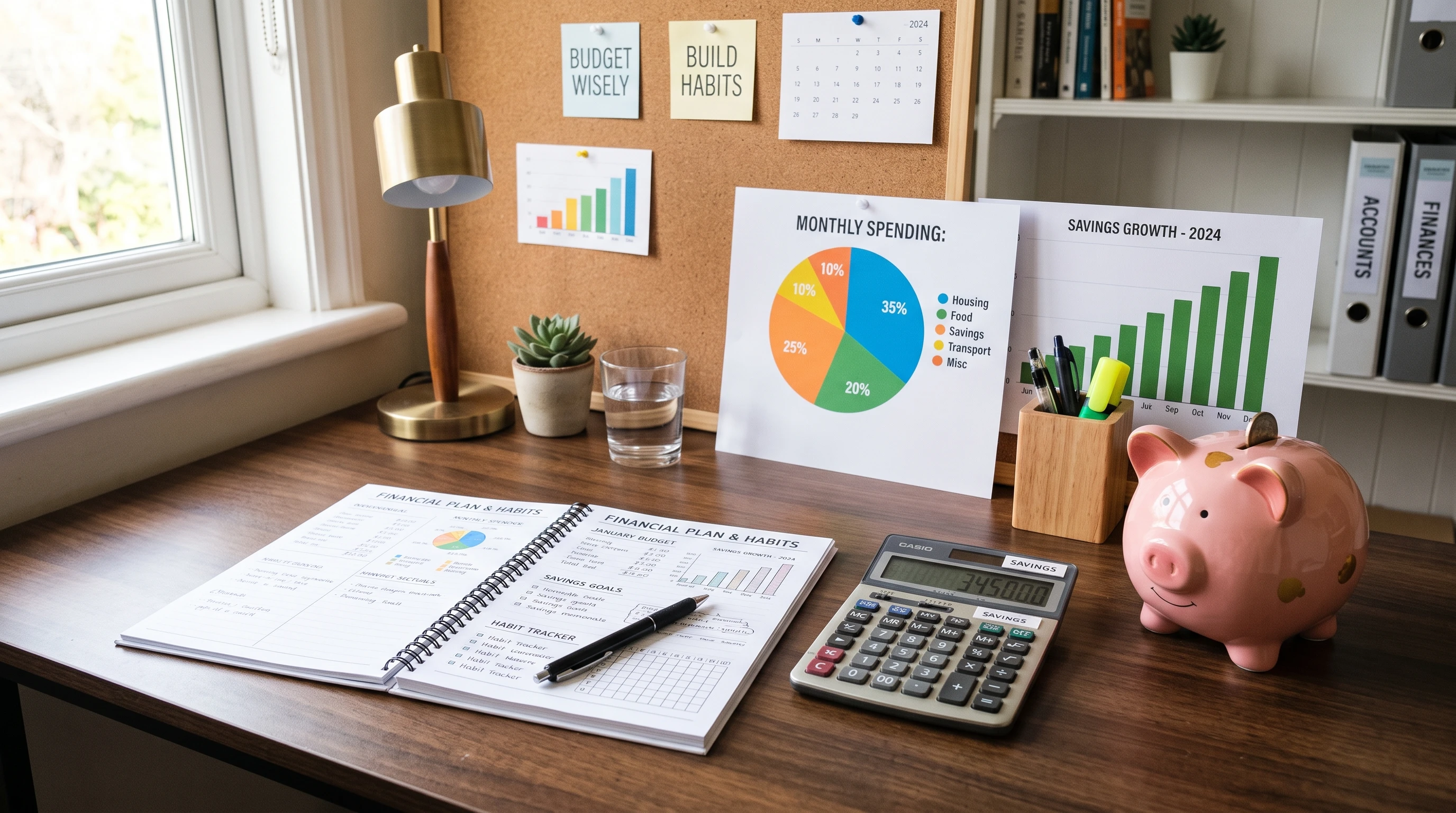
There’s a core set of money moves that show up everywhere: tracking spending, keeping a budget, saving regularly, and planning ahead for bigger goals. I used to ignore my credit card statements most months, but once I started tracking every expense, I realized how easy it was to spot patterns and seal the leaks that were draining my funds.
- Budgeting: Giving every dollar a job so you know what’s coming in and going out.
- Savings routines: Deciding on a set amount to tuck away, automatically if possible, so it moves right out of reach and becomes routine.
- Building credit awareness: Checking your score and learning what goes into it makes borrowing for a car, home, or even getting a better phone plan a whole lot smoother down the road. The Better Money Habits website covers this with straightforward guides about understanding credit and how to build a score.
- Practicing mindful spending: Asking yourself if something’s a want or a need helps you skip those random splurges that add up fast.
10 Good Money Habits Worth Trying
If you want a place to start, these 10 habits can really move the needle:
- Track all spending – writing it down or using an app makes it real.
- Set up a simple budget and revisit it monthly.
- Stick to shopping lists whether for groceries or online orders.
- Automate your savings, even if it’s just $10 here and there.
- Pay bills on time; setting reminders or automating makes this much easier.
- Review subscriptions regularly and cancel what you aren’t using.
- Check your accounts every week, just for 5 to 10 minutes.
- Set real goals, like paying off a small debt first or saving for a quick getaway.
- Increase savings when you get a raise (even $20 extra per month is a win).
- Celebrate small wins so you feel good about progress instead of overwhelmed.
Understanding Credit – Why It Matters
Understanding how credit works is huge for your financial well-being. Better Money Habits, both the website and tools from Bank of America and Khan Academy, break down credit scores, reports, and why they matter. The more you learn about how lenders view you, the easier it gets to make decisions that help your future self.
Better Money Habits Understanding Credit covers details such as:
- How your payment history and debt amounts shape your score
- Ways to build credit (using a secured credit card or paying off smaller balances)
- Common myths, so you don’t fall for bad advice or risky credit traps
I check my credit score every few months and always spot trends that help me catch mistakes or set the next goal, like improving my debt-to-credit ratio. Resources from bettermoneyhabits.com and the Better Money Habits Khan Academy page walk you through this process in plain English if you want to check out more.
Building a Positive Relationship with Money
Mindset really shapes how you deal with money. I know people who dread checking their accounts, but facing the numbers head-on has helped me build confidence and get clear on what I want. It’s not about being perfect; it’s about progress.
Feeling good about small steps, like cooking dinner instead of ordering out or moving leftover change into savings, helps you build a long-term, positive relationship with money. This means less guilt and much less impulse spending from stress or boredom. Reading stories from others who’ve switched up their habits, even in small ways, also keeps me motivated. Better Money Habits Bank of America features a bunch of these personal adventures, showing how others went from overwhelmed to in control.
Common Challenges and How to Handle Them
Money management isn’t always smooth. Setbacks happen, including surprise car repairs, overspending at social events, or simply forgetting about that “free” trial. Here are a few roadblocks I’ve hit and what I did to get back on track:
- Impulse spending: Unsubscribing from promo emails and giving myself a 24-hour pause before major buys really worked.
- Emergency expenses: Keeping even a tiny rainy day fund, starting at $100, makes those surprise expenses less brutal.
- Overdrafts: Linking a savings account for overdraft protection can save you a lot of fees, and low balance alerts help a lot too.
- Losing motivation: Pairing up with a friend for regular check-ins or following along with a savings challenge made things more fun and kept the energy up.
Where to Find Practical Money Education
There are plenty of free or budget-friendly resources out there, and sometimes having a trusted guide helps you start strong. I always send friends to:
- BetterMoneyHabits.com – The official Better Money Habits website is packed with short videos, calculators, and planning tools. You’ll find topics from credit basics all the way to prepping for milestone purchases.
- Better Money Habits Khan Academy – These free video lessons and activities are great if you learn better at your own pace and want trusted, step-by-step guidance.
- Your own bank or credit union – Places like Better Money Habits Bank of America offer tons of quick tips and educational guides, and the staff can direct you to workshops or one-on-one help.
These sites cut out the jargon and focus on advice you can act on right now. They’re updated frequently, so you also get current takes on things like online security or retirement planning.
Frequently Asked Questions
Question: What’s the fastest way to build healthier money habits?
Answer: Start with one small step (like tracking your spending) and build from there. It’s easy to get overwhelmed if you try to change everything at once. Every victory counts, even the little ones, like making coffee at home.
Question: Are money apps or handwritten budgets better?
Answer: Both work, and it really depends on what feels best for you. I know some people who love paper because it feels more real, and others swear by digital apps for convenience and notifications. Try both — apps suggested on the Better Money Habits site are especially user-friendly if you decide to go digital.
Question: How can I rebuild my relationship with money if it’s causing me stress?
Answer: Start small and don’t hold past mistakes over your head. Reading stories from others who turned things around (or connecting with tools like Better Money Habits Khan Academy) can really help. Make your own “money win” list, no matter how tiny, and put it somewhere visible.
Making Healthy Money Habits Stick
Building strong habits with money is less about being flawless and more about showing up consistently. Resources like the Better Money Habits site, community stories, and even tips from educators at Khan Academy are all about making money habits easier to stick with. I’ve seen the change in my own life – less anxiety, hitting goals faster, and more confidence with every new challenge. Even if things seem confusing now, just sticking with a few of these habits will make a difference in time.
So, whether your goal is getting out of debt, saving up for something special, or just not worrying every time you swipe your card, starting small and sticking with it can get you there. Here’s to building your future, one simple money habit at a time!
Please leave a comment and tell me what money habits you created that helped you the most.