
Keeping track of your expenses might sound a bit boring at first, but it can seriously change how you handle your money. If you’ve ever wondered where your paycheck disappears by the end of the month, or you keep telling yourself you’ll save more next time, tracking your spending is a great place to start. I’ve found that figuring out a system that works for you makes the whole process a lot less overwhelming and lets you take back control over your finances. Also, reading books like “Atomic Habits” will definitely help establish healthy expense tracking.
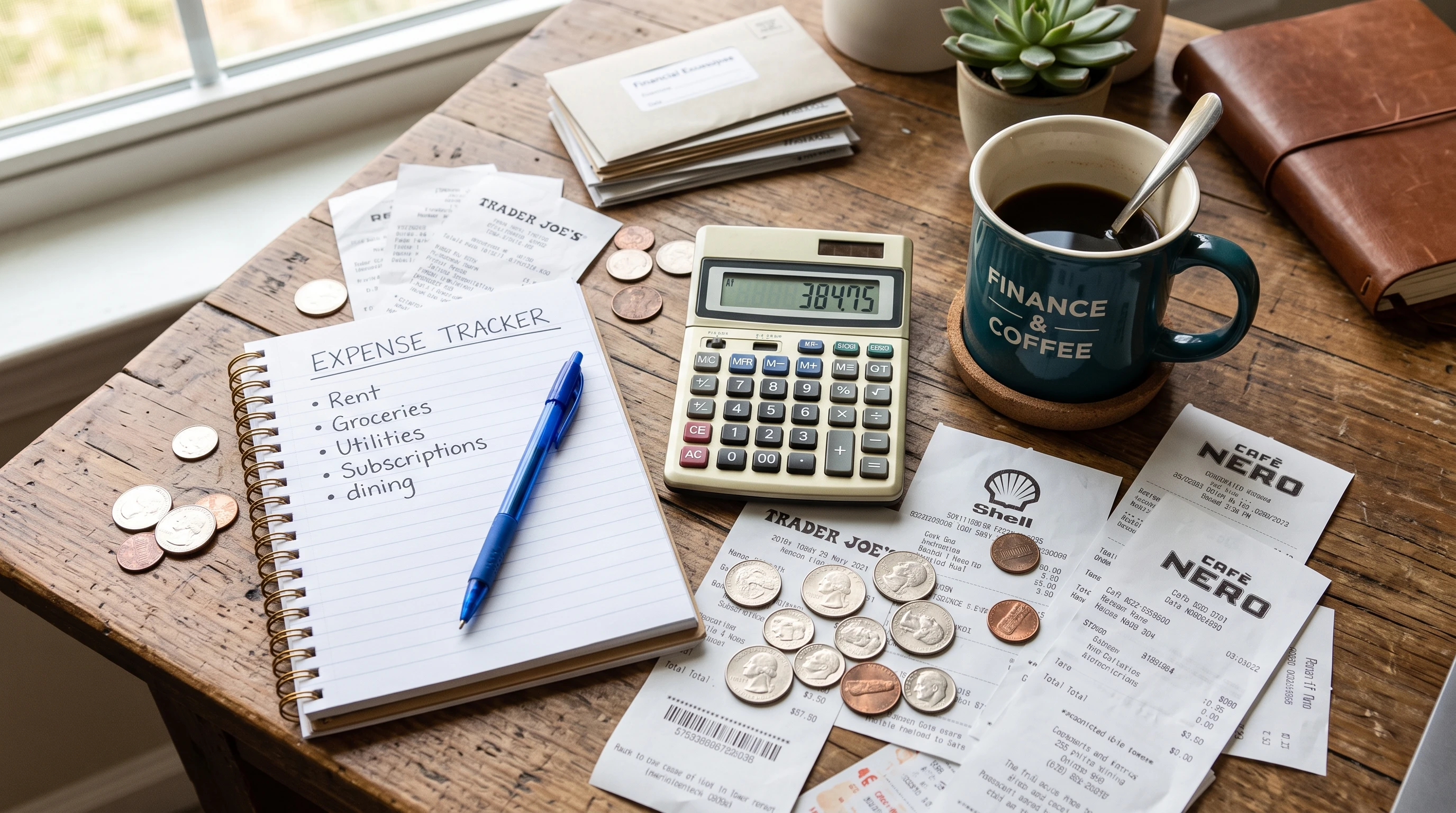
Why Tracking Your Expenses Matters
Tracking your expenses isn’t about feeling guilty for buying a fancy coffee or treating yourself every now and then. It’s about understanding your personal habits and having more control over your finances. I started doing this when I realized I was spending more than I thought on small things: streaming services, online shopping, takeout dinners. All of those little expenses added up quickly, and watching where my money went gave me the clarity I needed to change.
This habit can help you reach your saving goals faster, avoid unnecessary stress, and give you a clear look at where your money goes each month. If saving money feels impossible right now, just knowing your spending patterns is really important. Keeping track of monthly expenses also helps if you’re trying to budget better or get out of debt. On top of that, it helps you spot pointless subscriptions and shines a light on areas where you can cut back without making big sacrifices.
Getting Started: How To Track Your Expenses
You don’t have to make things complicated or buy expensive software right away. Here are some ways I’ve tried out—or friends have—that are super practical when you’re starting from scratch:
- Pen and Paper: For anyone who likes things simple, writing it down in a notebook is a classic move. It makes you more mindful every time you jot down a purchase, and you can flip between pages to check your progress.
- Spreadsheet: Using Google Sheets or Excel lets you split up expenses and totals automatically. There are even free templates online designed for personal budgets, and you can tweak them to suit your situation.
- Budgeting Apps: There are lots of apps like Mint, YNAB (You Need A Budget), or Goodbudget that sync with your accounts and organize things for you. Going digital saves you time and effort since many transactions sync automatically for you.
- Cash Envelopes: If you love physical systems, dividing your cash into envelopes by category can really help keep things on track. Once the envelope’s empty, that category’s done for the month—which gives you instant feedback on your limits.
The easiest way to track spending will always be the method that actually fits your lifestyle. If you love tech, go for the apps. If you prefer something you can see and touch, a notebook or envelope system might be a better fit. If you’re not sure, try each method for a week and see what sticks; you might even mix and match.
Daily Expense Tracking: Making It a Habit
When I first tried tracking every dollar, I found it easy to forget small purchases, like a snack or a quick online buy. That’s why tracking your daily spending is super important. Recording transactions every day keeps things up to date and doesn’t let little things slip through the cracks. The more often you keep up with recording, the easier it becomes to get an accurate picture of your cash flow.
Here’s what helped me stay consistent with my tracking:
- Set a reminder every evening to record what you spent that day.
- Add digital receipts and bank notifications to your tool of choice as soon as you see them. If you mostly use cards, your app might already pick these up automatically.
- Don’t worry if you miss a day; just catch up when you remember and don’t stress about minor mistakes.
I also keep a small notepad in my bag for quick cash purchases, then transfer them later. Small adjustments like this make a huge difference in building a habit that sticks. Over time, recording these purchases becomes second nature, and you’ll feel much more in control.
Monthly Expense Tracking: Seeing the Bigger Picture
Tracking your spending day to day is a great start, but keeping track of monthly expenses is where you spot real patterns. When you review a whole month, you’ll see trends that you can easily miss otherwise. You might notice that you’re spending a lot on meals out or see a subscription you forgot to cancel. Looking at a full-month summary helps you compare your reality to your goals—which is essential if you want to build better habits.
Try these steps to track your monthly expenses:
- At the end of every month, total up what you spent in each category.
- Compare these totals to your monthly income; this helps you figure out if you’re spending more than you earn in certain areas.
- Highlight expenses that seem higher than usual or don’t line up with your values; that’s a good spot to try saving money next month.
- Adjust upcoming budget limits based on last month’s outcomes and aim to get closer to your long-term financial goals.
This review only takes a few minutes once you’ve got everything recorded, and it’s one of the fastest ways to get control over your finances. By seeing actual numbers, rather than relying on guesses, you’ll feel more confident making future decisions. Make it a routine—perhaps at the start or end of each month—to keep things fresh in your mind.
Setting Budgets and Tracker Limits
When you’re learning how to track monthly spending, one thing that threw me off at first was setting realistic spending limits. Your tracker isn’t meant to restrict you the way a diet restricts food; it’s just there to keep you aware of your choices. I like to pick categories (like groceries, entertainment, or gas) and set soft limits based on my income and priorities. Successful tracking isn’t about saying “no” to everything, but rather picking where you really want your money to go.
If you notice you’re always going over in a certain area, adjust, but try not to make your budget so strict that you ignore it completely. The idea is to stay flexible and use the insights to plan better over time, not to create a system that makes you feel boxed in or stressed out. Budgets should shift as your needs, goals, and income change.
Must-Have Features in Your Expense Tracker
Regardless of the method you use, there are a few must-have features I always look for in any expense tracker:
- Automatic Totals: Whether you calculate it by hand or use an app, seeing your totals update instantly is pretty handy for keeping your spending in check and making quick decisions.
- Category Breakdowns: Splitting expenses into categories shows you exactly where your money is going, like food, bills, shopping, or subscriptions.
- Budget Limit Alerts: Some apps offer real-time notifications when you approach your set limits; this is super useful because it helps you adjust before overspending.
- Easy Exporting: If you want to switch apps or share your tracking with a financial advisor or partner, exporting data is worth checking out since it makes moving info simple.
Find a tool or create a system that covers these basics. It’ll make the whole process faster and way more accurate, and it ensures you always know where your money stands. If you’re unsure which features matter most, start simple and add more as you get comfortable.
Common Pitfalls and How To Avoid Them
Even with a great tracker, it’s easy to fall into common traps. I’ve noticed these are the mistakes people run into most often (myself included):
- Forgetting to track cash transactions or small purchases
- Delaying updates until everything feels unmanageable
- Not comparing bank statements with your personal records
- Getting discouraged if you overspend one month and ditching the whole process
Don’t beat yourself up for slipping here and there. The goal is progress, not perfection. Consistency honestly matters way more than catching every single purchase. Remember, any information you gather is better than none, and you’ll only get smoother with practice.
Advanced Tips for Expense Tracking and Saving
Once you’ve got a habit going, there are ways to take tracking a step further and build up some savings on the side:
- Automate Saving: Set your bank to move money into savings every payday so it’s out of reach before you start spending. This “pay yourself first” approach is a game changer, even if you can only save a small amount each time.
- Review Subscriptions: Check monthly for any automatic payments you’re not using. Cancel anything that doesn’t add value—you’d be surprised how much unused stuff we pay for out of habit.
- Plan for Irregular Expenses: Stash a small amount each month for things like car repairs or holidays. It hurts less when the bills hit if you’ve already set aside a cushion. This proactive approach really steps up your financial safety net.
- Track Refunds and Returns: Don’t forget to note money that comes back in. A lot of people skip these and end up undercounting their available funds, which makes things confusing later.
- Check in With Financial Goals: Make time every few months to review your progress toward goals like saving for a trip, paying down debt, or building an emergency fund. Adjust your categories and priorities as your life changes, so you never lose sight of what matters most to you.
These steps help you save money while keeping a clear eye on your daily and monthly outflow. The idea is to turn your expense tracker into a tool that not only manages day-to-day spending, but also helps you build financial security.
FAQs on Tracking Your Spending and Saving Money
How do I pick the easiest way to track my spending?
Think about what you’re likely to use consistently. Apps work best if you like digital solutions and want automatic syncing, but if you’re a pen and paper fan, that’s totally fine too. Try a couple of methods out and stick to the one that feels smooth for you—the one you’ll actually stick with is the best choice.
How should I keep track of monthly expenses if my income changes month to month?
Base your budget on your lowest expected income for the month, or create an average from the past 3 to 6 months. Adjust as needed and prioritize saving during higher-earning months to cover any shortfalls later on. Building buffer savings during those good months makes the lean months much easier to weather.
Should I track daily spending or just big expenses?
Tracking daily spending is super important because it captures everything, including small discretionary purchases. Those little buys can add up quickly, much faster than you might expect. Recording them gives you the most accurate picture.
How do I know when to set new tracker limits?
If you’re going over the budget limit in a certain category every single month, or if you have extra to spare, bump those limits up or down. Make changes based on your real needs—not just guesses from the start of the year. Be honest with yourself, and don’t be afraid to adjust your budget as your priorities or circumstances change.
Final Thoughts
Picking a method to track your expenses is all about making your life easier. Once you build this habit, you’ll see your savings grow and quickly spot places to cut back or enjoy more. There’s no perfect way to start, but I’ve found that any progress in this area pays off big. Keep things flexible, check in often, and watch how much more in control you feel with your money. The peace of mind that comes from knowing where every dollar goes is worth every ounce of effort you put in—start small, stay patient, and you’ll get there.
Leave a comment and let me know your healthiest habit for tracking your expenses.