
Diversification gets talked about a lot in finance and business circles, but its power applies in other areas too. Spreading out investments, income sources, or even product lines helps reduce risk and makes outcomes more predictable. This approach really isn’t just for sophisticated investors; anyone wanting more peace of mind with their money or business can benefit. I’m going to break down what diversification actually means, why it’s important, and how you can use it in different contexts for stronger results. After you read this, you’ll be able to throw around terms like “diversification” and “global exposure” with the best of them!
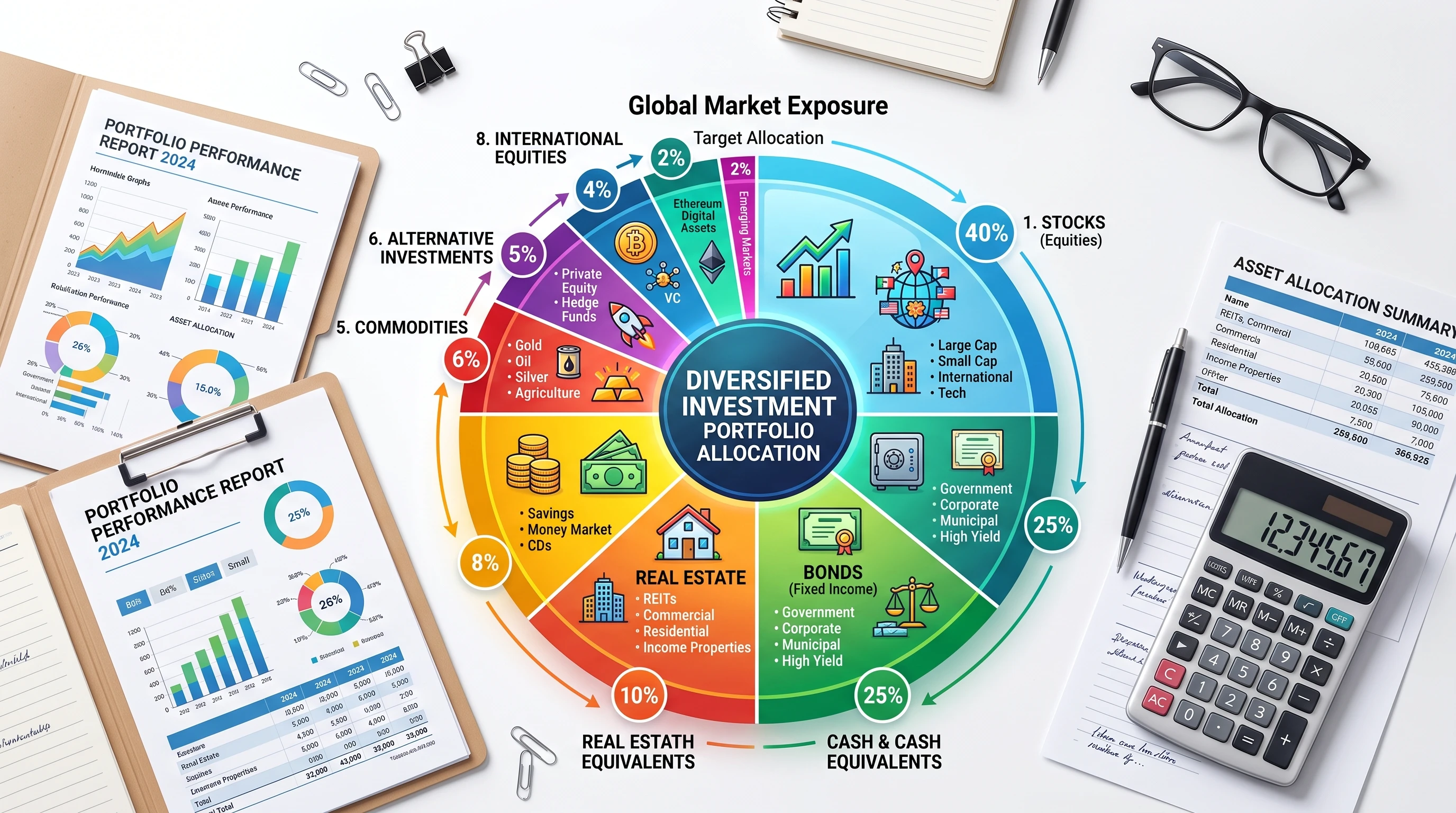
What Is Diversification and Why Does It Matter?
Diversification simply means not putting all your eggs in one basket. In the world of investing, this looks like spreading your money across a variety of asset types, such as stocks, bonds, real estate, and maybe even some alternative assets. For businesses, diversification might be about offering different products or entering new markets so they’re not dependent on a single source of income.
This approach helps manage risk because if one area drops in value or faces challenges, others can balance it out. Imagine putting all your savings into one company’s stock and that company runs into trouble. Diversification cushions you from the full impact of a sudden drop.
Some reasons why diversification is important include:
- Reducing the risk of major losses
- Steadying returns over time
- Making it less stressful to ride out market swings or industry disruptions
This isn’t about eliminating risk altogether. Instead, it’s about making the ride smoother and increasing the chances for long-term success, whether you’re investing money or running a company.
How Diversification Works in Investing
When most people ask what diversification means, they’re usually thinking about investing. Diversification in investing is about balancing different asset classes and sectors, so your portfolio doesn’t rise or fall on the fate of a single company or industry. Here’s what I keep in mind when building a diversified investment portfolio:
- Spread across asset classes: Mix things up between stocks, bonds, cash, and sometimes real estate or commodities. Each asset reacts differently to market events.
- Invest in different industries: Tech, healthcare, finance, consumer goods—each moves on its own cycle, and having a mix helps cushion against downturns in any one sector.
- Think global: International investments cut your dependence on one country’s economy or politics.
For example, if the tech industry hits a rough patch, your holdings in utilities or healthcare might hold up better. This balance is the core benefit of diversification in investing. It gives your portfolio a steadier foundation, especially during those unpredictable moments the markets love to throw at us.
Why Diversification Is Super Useful: The Power of Spreading Out
The real power of diversification is how it paves a more resilient path. People often ask, “Why is diversification important?” I see it as the difference between being knocked flat by a setback or just being slightly bumped off your course. Here are a few ways this extra security shows up:
- It makes dramatic losses less likely, because bad performance in one area can be offset by better performance somewhere else.
- It helps you stick with your plan, since the highs and lows aren’t so extreme that you’re tempted to sell everything in a panic.
- Over time, a diversified portfolio tends to deliver more stable, reliable returns, keeping you on a positive path.
Take the 2008 financial crisis as an example. Investors who only held stocks, especially in the housing market, suffered big losses. Those who were diversified with bonds, international stocks, and other assets weren’t hit as hard and likely recovered faster.
Ray Dalio, a popular investor, says it best: having 15–20 different investments that aren’t all tied to the same risks can cut your volatility while boosting your odds for decent returns (Bridgewater All Weather Story).
Practical Ways to Use Diversification
Diversification isn’t some fancy trick limited to the stock market. It applies to all sorts of areas:
- In your career: Learning skills outside your main area makes you more adaptable. If your industry changes or jobs disappear, you have options to shift or pursue something new.
- With income: Having more than one source of income, from part-time work, freelance gigs, or investments, offers a safety net if you lose your main job.
- In business: Selling a range of products or services means you’re not at the mercy of one product’s staying power or market changes.
So whether you’re looking at your own finances or running a business, spreading things out just makes life a lot less stressful. That’s the real power of diversification: building in some backups so one issue doesn’t knock everything out.
Common Questions About Diversification
People ask about diversification in all sorts of ways. Here are some of the most popular questions I hear, along with my take on them:
Why diversify investment?
It lowers risk, so your entire investment doesn’t rely on just one area’s success or failure. A diversified investment is less exposed to big losses from one bad performer.
Why diversify portfolio?
A diversified portfolio is more likely to produce steady gains and fewer losses over the long run. It’s the investment equivalent of having a backup plan for your backup plan.
What is diversification in investing for beginners?
It means buying a mix of different assets, so you don’t have all your money in one type of investment. This makes your investments more stable and less likely to tank all at once.
How is diversification used in business?
Businesses use diversification by expanding into new products, services, or markets. Think of a phone company also selling TVs or internet plans. If phone sales slow down, internet packages can help pick up the slack.
Drawbacks and Limits To Know
As much as I sing the praises of diversification, there are a couple things to be aware of. For starters, if you spread out too much and buy a bit of everything, you can dilute your results and rack up unnecessary fees. It’s all about finding a good balance; enough spread for safety, not so much that you’re just collecting clutter.
Another point is that sometimes, assets you thought were unconnected can all drop together when there’s a big global event. Pretty much everything took a hit in early 2020, for example. Even so, those with a diversified approach usually bounced back faster.
Diversification also doesn’t guarantee profits or protect from every single possible loss. But it gives a much better shot at steady growth over time, making it a worthwhile practice in most scenarios.
Simple Steps To Start Diversifying Today
Getting started with diversification can be easy. Here’s what’s worked for me and a lot of others I know:
- Look at your current setup: See if you’re already too concentrated in one area, like most of your savings in your employer’s stock.
- Pick simple, broad investments: Index funds and ETFs give you exposure to lots of companies or sectors at once, making diversification much simpler.
- Add new investments over time: Don’t feel like you have to do it all at once. Buying a new asset type every few months slowly builds a broad portfolio that can weather storms better.
- Consider international options: Even one or two foreign funds can make your results less tied to the ups and downs of your local market, building global resilience into your finances.
- Rebalance regularly: Once or twice a year, check if your mix has shifted from where you want it, and move things around if needed to get your portfolio back on track.
This approach gives you flexibility and reduces the stress of relying on a single source for your returns. It works equally well for both small investors and larger portfolios. Remember, the key is to keep reviewing your positions and keep your goals in sight.
Benefits of Diversification in Business
Companies use diversification to protect themselves from market ups and downs, too. Here’s how diversifying business operations helps:
- When one product line slows, others can fill in the gaps, keeping sales steady in tough times.
- Entering new markets means not depending too much on a single region’s economy, spreading out the risk further.
- Making smart acquisitions or partnerships diversifies revenue and attracts new customers, driving growth even in uncertain markets.
This move is especially handy for small businesses and startups, where a single product might face competition or changes in demand. Diversification allows for more resilience and flexibility over the long haul (Investopedia: Diversification).
Related Searches for The Importance Of Diversification
- Why is diversification important
- Why diversify investment
- Benefits of diversification in business
- Why diversify portfolio
- What is diversification in investing
- The power of diversification
- How is diversification used
- Benefits of diversification
Getting started with diversification, whether for your investments, business, or even career, brings more security and confidence. Taking a few steps to broaden your foundation is really important for anyone looking to protect their growth and enjoy a smoother ride through whatever the future holds. By gradually adding more variety and being thoughtful with your approach, you can set yourself up for less stress and more success over the long term.
Let me know in the comments what your diversification strategy is and why it’s important to you.