
If you’ve ever wondered why you got approved or denied for a loan, or how lenders decide your interest rates, the answer starts with your credit score and credit report. These two tools play a big part in your financial story, whether you’re applying for a credit card, buying a car, or even renting an apartment. Figuring out how credit scores work doesn’t have to be confusing, even if it seems complicated at first. Let’s dig in and find out how to work this system called credit.
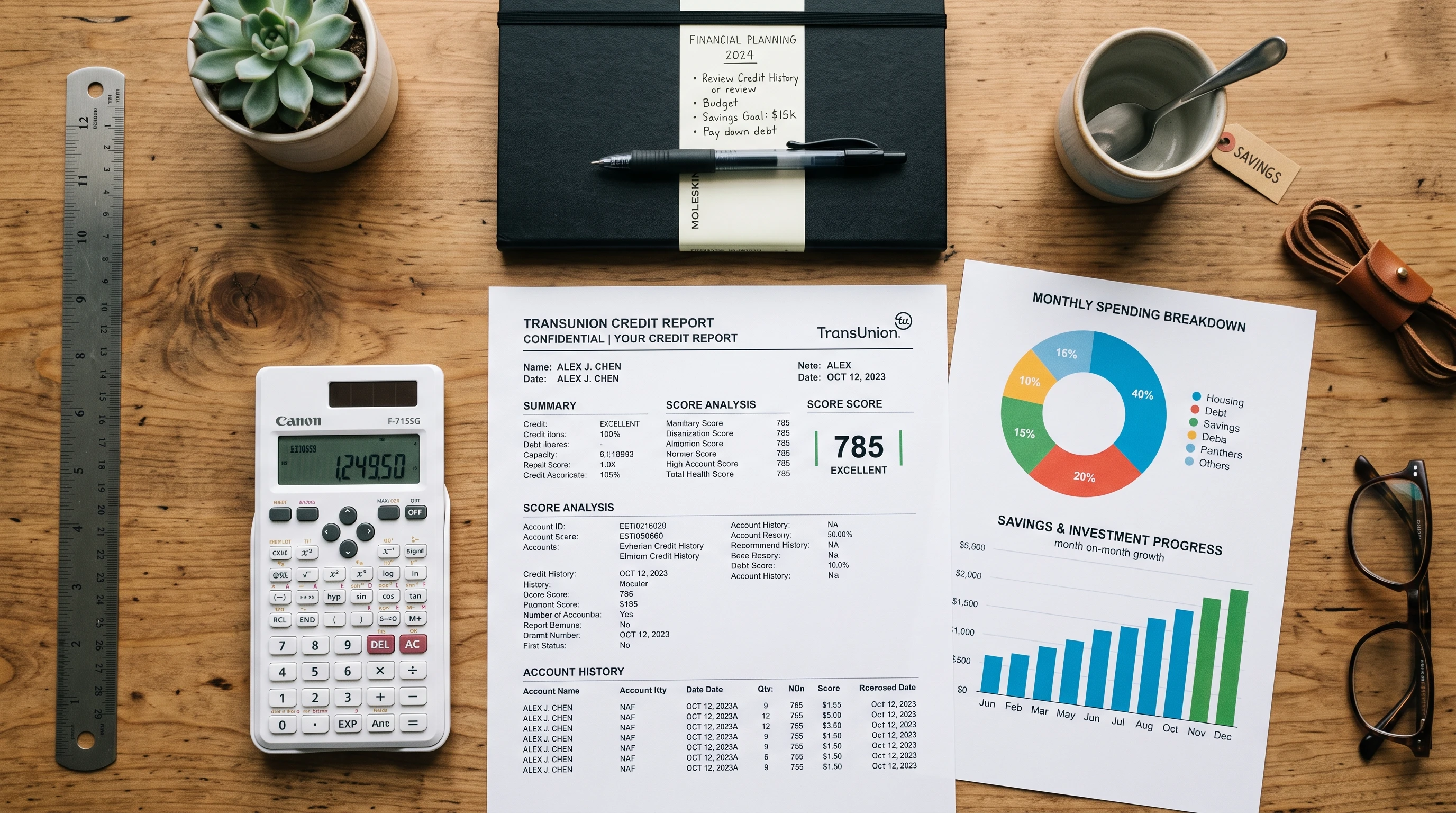
Credit Scores and Reports: Why They Matter
Credit scores and credit reports are used by banks, lenders, and even some employers to gauge how likely you are to pay back borrowed money. Your credit report keeps track of most of your credit activity, such as loans, credit card use, and payment history. Your credit score then translates all that info into a three-digit number, usually ranging from 300 to 850. The higher your score, the more doors open for good deals on loans and cards.
Learning how to read and make sense of your credit report helps you spot errors or fraud. It also shows what lenders see when they check your credit. Your score, meanwhile, acts as your financial “grade,” summing up your creditworthiness with just a few digits.
Getting Into Your Credit Report
Your credit report is basically a detailed history of how you handle credit. The three major credit bureaus- Experian, Equifax, and TransUnion- collect this information and update your report regularly. Here’s what you’ll find on a typical report:
- Personal info: Names, addresses, and employers you’ve used on applications.
- Credit accounts: List of credit cards, auto loans, student loans, and mortgages in your name.
- Account history: Details on on-time or late payments, current balances, limits, and open/close dates.
- Credit inquiries: Who has checked your credit and when (for new accounts, employment, rental applications, etc.).
- Public records: Bankruptcies or foreclosures if you have them.
Getting the hang of your credit report is pretty handy; you’ll see which accounts are in good standing and which ones might need attention. Don’t brush aside unfamiliar accounts or errors, since these may signal mistakes or even identity theft. The Consumer Financial Protection Bureau (CFPB) offers good resources and even sample reports to check out.
Credit Scores Explained
Credit scores are calculated based on what’s in your credit report. While there are different types of scores out there, FICO and VantageScore are the ones most lenders use. Here’s a general credit score range chart you might see:
- 300–579: Poor
- 580–669: Fair
- 670–739: Good
- 740–799: Very Good
- 800–850: Excellent
Understanding your credit score comes down to knowing what factors go into it:
- Payment history: Do you pay bills on time?
- Credit utilization: How much of your available credit are you using?
- Length of credit history: How long have your accounts been open?
- Types of credit: Do you have a mix of credit cards, loans, or other accounts?
- New credit: How often have you applied for new credit recently?
Each factor plays a role in your total score. If you want more details, the FICO website digs into the specifics. You can also check out handy resources like “Understanding Your Credit Score PDF” online for printable guides.
Understanding Credit Scores for Beginners
If all these numbers and categories feel overwhelming, you’re definitely not alone. You’ll often find guides or books with titles like “Understanding Credit Scores for Dummies,” and honestly, those are worth checking out for plain-language tips. Here’s what it really boils down to:
- Pay bills on time; even one late payment can lower your score.
- Keep credit card balances low. Under 30% of your limit is a good target.
- Avoid applying for lots of new credit in a short period.
- Review your reports often for accuracy.
Sticking to these basics builds a solid foundation for a better credit score. You might also want to set up reminders or use money management apps that track bill dates and due amounts, further helping you keep everything in check.
How to Check Credit Score Eligibility
If you want to know if you’re eligible for a certain credit card or loan, your credit score is a big piece of the puzzle. Lenders usually share the minimum credit score required for approval. This is where understanding your credit score comes in handy.
You can check your eligibility before you apply by using tools on lender websites or third-party platforms like NerdWallet or Credit Karma. These let you see your score, compare it to eligibility requirements, and get odds of approval, all without hurting your score if you use the “soft pull” tools. Some banks also offer a score simulator that shows you how certain actions, like paying off a card or taking out a loan, might mix things up for your rating.
How to Interpret a Credit Report and Score
When you review your credit report, look for the following:
- Accounts you don’t recognize (watch for signs of identity theft)
- Late payments or collections that you disagree with
- Old negative info ready to fall off
Your credit score will usually show up along with a list of key factors affecting it. For example, you might see notes like “high credit utilization” or “missed payment date last year.” It’s really important to take these pointers seriously; they tell you where to focus your efforts for improvement. Don’t forget, if you spot an error, report it right away—fixing mistakes can quickly pump up your score.
Protecting Your Credit Score
Keeping a good credit score comes down to a few smart habits. Here are some ways to help protect it:
- Pay every bill on time, every time. Setting up autopay or calendar reminders can make this a lot easier.
- Only open new credit accounts when you really need them.
- Check your credit reports regularly (you get a free report from each bureau annually at AnnualCreditReport.com).
- Don’t max out your cards. Using a smaller percentage of your available credit looks better.
- If you spot any suspicious activity, contact the bureau right away to dispute errors and freeze your credit if needed.
Credit protection tools like free monitoring alerts or identity theft protection plans from companies like Credit Karma, NerdWallet, or your own bank can also be super useful. By turning on notifications and keeping an eye out for unusual changes, you can catch problems early and stop mistakes or fraud before they bring down your score.
Common Mistakes That Hurt Your Credit
Even one slip-up can lower your score. Here are a few pitfalls that can trip you up:
- Piling up credit card debt
- Missing payments or paying late
- Ignoring credit reports (you won’t spot errors or fraud if you don’t look)
- Closing old credit card accounts; it can shrink your available credit and shorten your credit history
- Applying for a bunch of loans or cards at once
Every lender has a slightly different formula, but just one or two of these issues can make borrowing pricier down the road.
Practical Examples: Interpreting Credit Scores in Everyday Life
Understanding your credit score isn’t just about getting approved for a next-level cool rewards card. It affects your car insurance rates, rental applications, and even job offers in some fields. For example, if your credit score is considered “good” (670–739), you’re much more likely to get better loan terms than someone in the “fair” range (580–669).
Reading a credit score ratings chart or checking your personal score regularly helps you set real goals, like raising your “fair” score into the “good” zone just by reducing debt and paying on time for a few months. Downloadable resources like “Understanding My Credit Score PDF” help you keep terms, ranges, and tips handy so you don’t forget important info.
It’s also smart to talk with friends or family about their experiences with credit. Sharing stories and tips not only gives you more perspective but can also warn you about traps to steer clear of that you might not have thought about.
Frequently Asked Questions
Question: How often should I check my credit report?
Answer: Once a year is a solid starting point, but checking every four months (rotating among the three bureaus) gives you better coverage. Many people use free monitoring apps for quick monthly updates, too.
Question: What credit score do I need to qualify for most loans?
Answer: Most lenders prefer scores of at least 670, but you can still get certain types of loans or credit cards with lower scores. Interest rates and terms just might not be as favorable.
Question: Can I improve my credit score if I have bad credit?
Answer: Absolutely. Focus on paying bills on time, reducing debt, and not applying for new credit unless necessary. Small changes can give your score a boost in just a few months, depending on your situation.
Final Tips for Staying on Top of Your Credit
Credit scores and reports don’t have to be scary or confusing. Staying informed and being proactive makes a big difference, whether you’re rebuilding after some dings or just getting started. Use free online tools, check your reports regularly, and keep good habits like paying on time and not maxing out credit cards. These small, steady steps really pay off over time, making it easier to reach your financial goals.
Leave a comment and tell us the highest credit score you’ve ever seen.