
Inflation is one of those topics that seems to pop up every time you turn on the news or scan through financial headlines. For a lot of people, it just sounds like another economic buzzword, but it actually hits a lot closer to home than you might think. When inflation rises, it means the prices of everyday things, like groceries, rent, utilities, and even your favorite treat, start to go up. That’s why understanding inflation and how it impacts your budget is really important if you want to keep your finances in good shape.
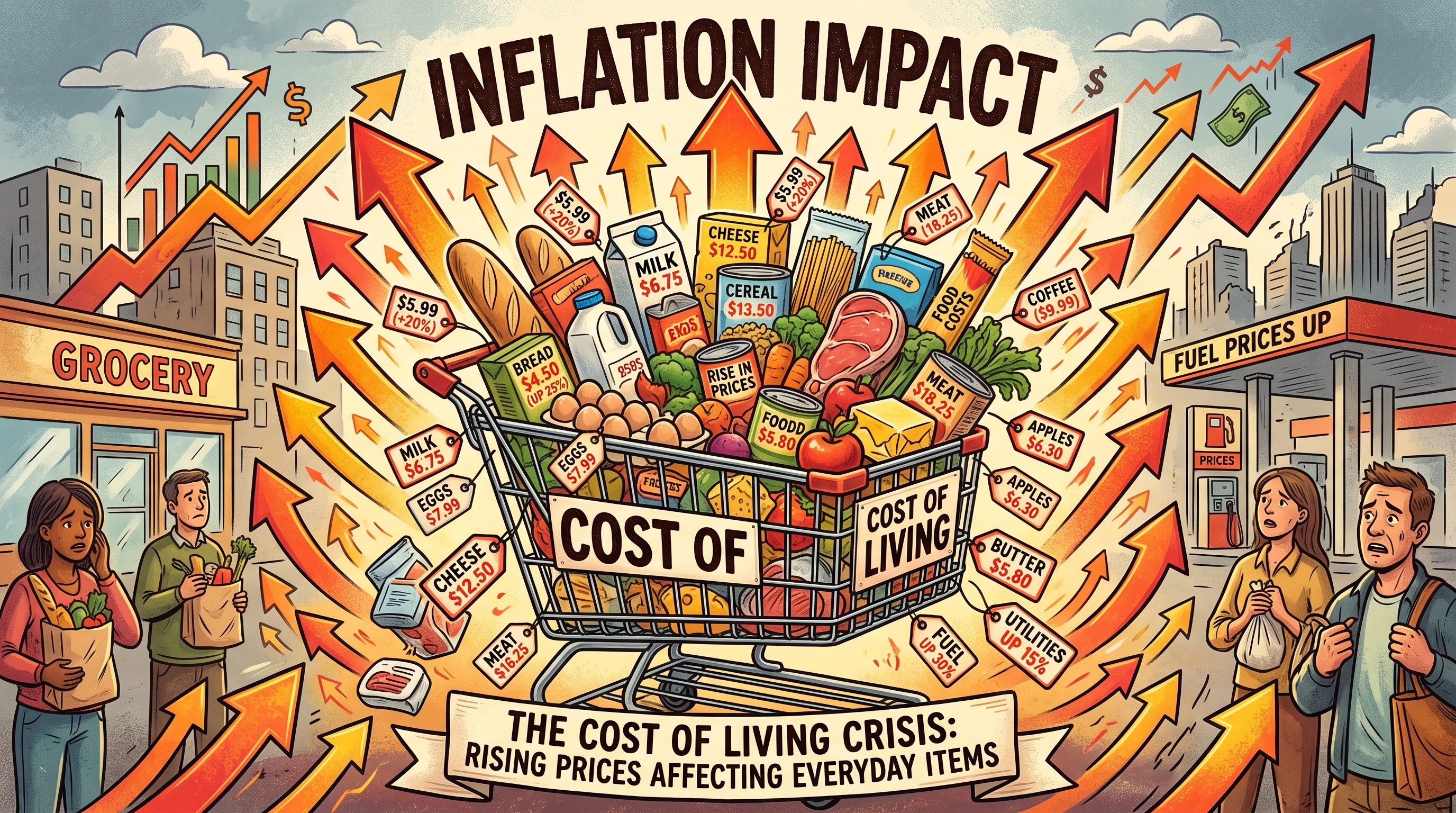
What Inflation Means and Why It Matters
Inflation, in simple terms, is the general increase in prices over time. This means that the same amount of money you spent on a basket of groceries a year ago probably won’t buy you as much today. The value of your money shrinks, and your purchasing power takes a hit.
There are a bunch of reasons why inflation happens. Sometimes it’s because demand for goods and services goes up faster than the supply; this is called demand-pull inflation. Other times, it’s because it costs more for producers to make things, like when wages or the cost of materials rise. That type is known as cost-push inflation. Both have a way of sneaking into your monthly spending without much warning.
Inflation and the Cost of Living
When people talk about the cost of living, they’re really talking about how much it costs to cover basic needs and daily expenses: housing, food, transportation, healthcare, and so on. Inflation tends to push the cost of living higher as time goes on, which can put a strain on your budget if your income isn’t rising at the same pace.
I’ve noticed this firsthand with grocery bills. Maybe you used to spend $100 per week, but suddenly you’re hitting $120 or $130 for the same items. That feeling isn’t just in your head; it’s inflation making its way through your everyday purchases. If you’ve ever wondered why your paycheck doesn’t stretch as far as it used to, inflation is usually a big part of the answer.
Breaking Down How Inflation Affects Your Budget
Managing your money can be tricky during times when prices keep rising. Inflation can sneak up and make line items in your budget swell. Here are some of the main areas where inflation usually strikes first, and how each one can change the way you manage your expenses:
- Groceries: Food prices often rise fast when inflation picks up. This means you’ll either need to budget more for food or make cuts in other areas.
- Utilities: Gas, electricity, and water bills can get pricier as the cost of energy and delivery increases.
- Housing: Rent and mortgage payments may climb, especially if you’re not locked into a fixed rate.
- Transportation: Gas prices often spike with inflation, and even public transit fares can tick up over time.
- Healthcare: Medical costs and insurance premiums also tend to rise, making it a challenge for families to keep up.
- Everyday Items: Basics like cleaning supplies, toiletries, and over-the-counter medicine can become pricier.
When a handful of your regular bills climb at the same time, it puts extra pressure on your wallet. That’s why it’s smart to keep an eye out for changes and adjust your budget as needed so you’re not caught off guard. Another important point: even expenses that aren’t often on your mind, like pet care, school supplies, or clothing, can slowly tick up too. Watching these categories means you can make small adjustments before they start cutting into savings or entertainment money.
Costpush Inflation: What Does That Look Like?
Cost-push inflation is when prices go up because it’s more expensive for companies to produce or deliver their goods and services. Think about a year when gas prices skyrocket. Suddenly, delivery trucks are paying more to fill their tanks, and those extra costs get passed on in the price tags at your local stores.
I’ve experienced cost-push inflation when my favorite snack jumped in price because the cost of certain ingredients went up. Sometimes it’s something like bad weather harming crops, or an increase in the price of oil and other raw materials. These kinds of price hikes ripple through the supply chain until they reach us as consumers. It’s important to notice that costpush inflation doesn’t just affect products directly connected to the original material; many unrelated goods and services become more expensive since companies share supply networks.
How Rising Prices Change Your Everyday Choices
A big part of coping with inflation is learning how to adapt your spending habits. Here’s what I do when costs start creeping up:
- Reevaluate Needs vs. Wants: It gets more important to focus on necessities and cut back on nonessentials.
- Shop Smarter: Comparing prices, looking out for deals, and trying out store brands instead of pricier name brands can help you save a decent chunk of change.
- Reduce Waste: Using up leftovers, freezing food before it spoils, and avoiding impulse purchases all help make your dollar go further.
- Plan Ahead: I find meal planning and creating a realistic monthly budget are super useful when I want to keep control over my costs and stay organized.
- Negotiate Where Possible: For some bills, like internet or insurance, it’s worth checking for better offers or asking for a discount.
A few more helpful habits include buying in bulk when items are on sale, using cash-back or rewards apps, and teaming up with friends or neighbors for bulk purchases or sharing transportation costs. All of these small steps can help give your finances a boost when inflation is pushing up prices across the board.
What Happens If You Don’t Adjust Your Budget?
It’s easy to underestimate how inflation stacks up. Even a small increase, say 2% or 3% a year, can add up quickly. If you don’t revise your budget to reflect higher costs, you might find yourself dipping into savings or relying more on credit cards, which can set off a chain reaction of financial stress.
I’ve noticed that small changes — $10 here, $20 there — don’t seem like much at first, but they build over time. Before you know it, you’re spending a lot more each month than you planned. That’s why staying on top of your budget and making tweaks when prices change is really important for staying in control of your finances. Plus, it helps you avoid the stress of last-minute bill payments or cutting into savings meant for emergencies or future plans.
Finding Ways to Offset the Impact of Inflation
You can’t control inflation, but you can put some smart strategies in place to blunt its effects. Here’s what I aim for when prices are climbing:
- Look for Additional Income: Even a little bit of extra cash from side gigs or freelancing can help cover new expenses.
- Automate Savings: Making small, regular transfers to a savings account helps you build a cushion for unexpected price spikes.
- Review Subscriptions: Take a look at everything you’re subscribed to—streaming, magazines, apps. Cancel the ones you’re not really using.
- Shop Energy Smart: Making your home more energy efficient can cut down on utilities, taking some pressure off your monthly bills. Swap to LED bulbs, unplug chargers, or insulate windows to stretch your energy dollars further.
- Invest for Growth: If you’re able, putting money into investments that keep pace with or outpace inflation, like index funds, helps protect your money’s long-term value.
In addition, consider learning a new skill or certificate that could translate to higher earnings. Sometimes investing in yourself is one of the strongest ways to set yourself up for future financial stability, especially when the impact of inflation chips away at your purchasing power over the years. It’s also a good idea to shop seasonally and take advantage of community resources such as food banks or local assistance programs if you face tough months.
Related Searches and Common Questions
How does inflation affect cost of living? Inflation pushes prices up, which means you need more money to cover basics like food, rent, and utilities. The higher the inflation rate, the more your cost of living increases.
Inflation and cost push? Cost-push inflation means that suppliers are spending more to create or deliver products, so they pass those costs along to consumers through higher prices.
Inflation and the cost of living? Inflation is a key factor in rising cost of living. Even if you keep your spending habits the same, inflation can make your expenses creep up over time.
What does inflation mean? Inflation is when prices for goods and services rise over a period, lowering your purchasing power and making each dollar you earn buy a little bit less.
Why do some people talk about “core inflation”? Core inflation leaves out things like food and energy, which can bounce around month to month. It’s seen as a way to spot the long-term trend in price growth because it ignores the most unpredictable costs.
Can paying off debt help during inflation? Yes. If interest rates rise, your debt, especially if it has a variable interest rate, could get pricier. Chipping away at debt faster means you’ll pay less in interest over time, giving your budget some breathing room.
Practical Example: How Inflation Changes a Budget Scenario
Imagine you make $3,000 a month, and your budget breaks down something like this:
- Rent: $900
- Groceries: $400
- Utilities: $200
- Transportation: $300
- Healthcare: $150
- Other expenses: $250
- Savings: $800
If inflation pushes up rent by 5%, groceries by 10%, and utilities by 7%, here’s how those numbers change:
- Rent: $945
- Groceries: $440
- Utilities: $214
Those few extra dollars per item add up quickly. In this scenario, you’d spend $99 extra per month just on the basics, leaving you less for fun stuff or savings. That’s why updating your budget regularly is important to keep your goals on track. Also, it’s common for people in this situation to get creative, like splitting rent with a roommate, seeking community transportation, or swapping brand name groceries for more affordable alternatives, as small changes can add up to big savings over time.
Frequently Asked Questions
What can I do if my paycheck isn’t rising as fast as living costs?
Consider picking up extra hours, taking on a side hustle, or cutting back on nonessentials. Checking for better deals on things like insurance, phone plans, or streaming subscriptions helps free up extra cash in your budget. It’s also helpful to talk with your employer about opportunities for advancement and to review your expenses every few months so you’re always making the most of your resources.
Does inflation ever help anyone?
People who owe money on fixedrate loans might benefit a bit, since they pay back their debt with “cheaper” dollars over time. Still, it’s usually more of a headache than a help for most folks. It can push people to be smarter about saving and budgeting, though, which is a silver lining for some.
How often should I adjust my budget for inflation?
Reviewing your budget every few months, especially if you notice prices rising fast, is a smart move. Making little tweaks regularly will help you avoid nasty surprises. Updating even one category at a time—as you notice changes—will help keep spending on track with your goals.
Staying on top of inflation is really about being flexible and watching the numbers. I keep an eye on my spending, compare prices, and make room for changes so I’m ready for whatever the economy throws at me. It takes a bit more effort, but it’s worth it to have more peace of mind about your finances and to know you’re making smart choices in a challenging environment. If you keep steady habits and a reasonable budget, you’ll be better prepared to handle inflation as it comes.
Keeping track of inflation is key to tracking your financial progress. Leave a comment and tell me how inflation has impacted your investment goals and what you plan to do in the future.