
Financial stress hits almost everyone at some point. Whether it’s dealing with stacked-up bills, unexpected expenses, or changes in income, it’s not just about money running low. The emotions, sleepless nights, and constant worry tag along. Let’s dig into the psychology behind financial stress, breaking down the typical causes, the effects on your mind and body, and offering some easy-to-digest steps for feeling relief and regaining confidence.
What Is Financial Stress?
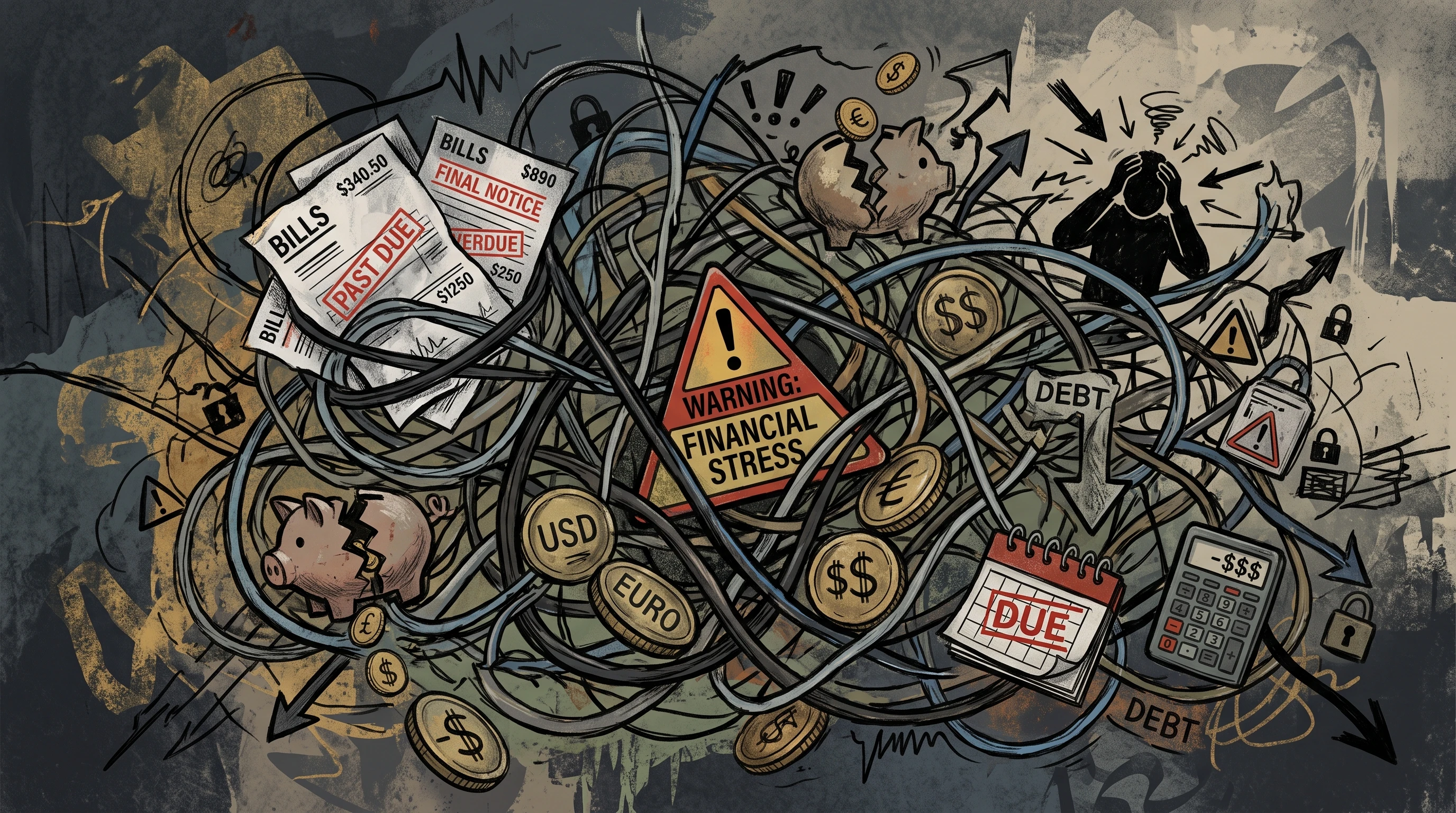
Financial stress is that tense, overwhelmed feeling you get when it seems like your finances are out of control or you worry that you won’t be able to cover your basic needs. Some people call it financial distress or financial strain, but all these terms point to one thing: your money situation is causing mental pressure or anxiety. The feelings can swing from constant worry to full-on panic. What really matters is how deeply this stress can crash into your everyday life—messing with your mood, your habits, and even your health.
Why Financial Stress Happens
There isn’t a single cause behind financial stress. Most of the time, it piles up because of a combination of small issues coming together, rather than one giant crisis. Here are the common causes that regularly show up:
- Job Loss or Reduced Income: Sudden shifts at work or unexpected unemployment create loads of uncertainty and anxiety about the future.
- Rising Living Costs: Groceries, energy bills, gas prices—when costs keep going up and your paycheck doesn’t, keeping up with expenses gets much harder.
- Debt: Credit card debt, student loans, or medical bills keep adding to the pile. Relaxing is tough when minimum payments stare you down every month.
- Major Life Changes: Divorce, loss of a loved one, or welcoming a new child can throw even a carefully planned budget totally off track, leaving you scrambling.
- Lack of Savings: When there’s no emergency fund, even minor surprises (like a broken water heater or unexpected car repair) can shoot your stress levels way up.
The American Psychological Association found that up to 65% of adults say money is a super important source of stress in their lives—especially in times of inflation or economic uncertainty. So, if you’re feeling the heat, you’re definitely among the majority.
The Connection Between Financial Stress and Anxiety
Financial stress and anxiety are almost best friends in how closely they work together to impact our lives. Worrying about rent, food, bills, or avoiding calls from creditors can keep you up at night. When left unchecked, all that pressure starts to spill over into other parts of life, leading to things like:
- Difficulty falling asleep or outright insomnia
- Feeling hopeless or sinking into depression
- Arguments with family or friends rising in frequency
- Struggling to concentrate or keep up at work
Terms such as “financial problem” and “financial distress” aren’t just buzzwords tossed around in the news or on social media—they truly capture the never-ending cycle of anxiety sparked by lacking the funds to cover important essentials. When someone faces ongoing money worries, their body responds in the same way it would to other kinds of stress: releasing extra hormones like cortisol. That’s why financial stress is often tied to headaches, stomach troubles, tense muscles, or even heart issues down the line.
How People React to Financial Strain
Everyone handles financial strain differently, but some reactions are pretty common and pop up again and again. Here’s what often happens when the stress level gets intense:
- Avoiding the Problem: Some folks simply stop opening the mail or logging into their bank account, hoping that ignoring the situation might make it vanish.
- Overspending or Impulse Buying: Using shopping as a quick mood boost—retail therapy—feels good in the moment but usually digs a deeper financial hole in the long run.
- Withdrawing Socially: Canceling plans or turning down invitations to avoid friends finding out about money troubles or to dodge spending extra cash.
- Irritability and Mood Swings: Losing your temper with loved ones as the stress spills over, even in small interactions at home.
- Cutting Back Too Much: Skipping meals or much-needed medical care to save a buck, which can hurt health in the long term.
Why Financial Stress Feels So Overwhelming
The brain treats money issues very differently from stressors like arguments at the office or car trouble. Because money is tied to a sense of safety, stability, and control, any threat to your finances feels like a threat to your foundation. That’s why so many of us link “financial stress” with feeling powerless or stuck.
Research on financial stress and mental health shows that when money worries drag on, they can change the way people think and make decisions. Folks dealing with ongoing financial strain often get caught in negative thought cycles, making it much harder to track down solutions or think creatively about money management.
Financial Stress Statistics: How Widespread Is This?
The numbers make it clear that financial stress is a common problem, cutting across ages, backgrounds, and income brackets. Here are some recent stats worth checking out:
- CNBC reported in 2023 that around 73% of Americans say money is their number one source of stress.
- For college students, studies show close to 30% have dealt with financial trouble or distress in the last year.
- Roughly half of couples think money problems are their biggest trigger for fights at home (Ramsey Solutions).
Financial stress doesn’t care about your paycheck size—whether you’re hustling for hourly wages or earning a hefty salary, it can still sneak into your life.
How to Spot the Signs of Financial Distress
Getting out in front of financial distress means knowing how to spot red flags before things spiral. You don’t have to wait until you’re overwhelmed to change habits or check in for support. Look out for these warning signs:
- Constant, nagging worry about money or bills
- Avoiding any conversations about finances
- Making nothing but the minimum monthly payments
- Needing to borrow from friends or take out payday loans regularly
- Receiving collection calls or letters about overdue bills
Even starting small—like tracking expenses for a week or having an open chat with someone you trust—can carve a path out of the stress cycle. If you recognize these patterns in your life, take a breath and pick one thing to address today, maybe organizing bills or seeking a friend’s advice. Every tiny step matters.
Tips for Coping With Financial Strain
While there’s no magic fix to make financial stress disappear instantly, tried-and-true tactics exist to turn down the pressure. Here are a few to keep in your toolbox:
- List Your Expenses: Break down where your cash flows each month; seeing it in black and white helps you spot quick fixes or leaks.
- Set Up a Simple Budget: No need for fancy apps—a basic income vs. expenses breakdown works great.
- Talk It Out: Family, friends, or a nonjudgmental counselor can offer ideas, support, or just a safe space to vent.
- Practice Self-care: Simple actions like walking outdoors, meditating, or journaling can clear your mind and offer a break from money worries.
- Reach Out for More Help as Needed: Nonprofits and community organizations often offer free advice, budgeting workshops, or even short-term emergency grants.
Shame or embarrassment can keep people from seeking help, but you don’t need to shoulder the burden alone. Lots of resources and people are happy to lend a hand when financial problems hit hard.
Other Helpful Terms to Know
- Financial strain: Ongoing stress about money triggered by bills, debt, or surprise expenses.
- Financial distress: That intense worry when you can’t pay the basics or creditors are calling for what’s due.
- Financial problem: Having more regular costs or emergencies than your income or savings can cover.
- Financial stress synonym: You’ll see terms like “money anxiety,” “budget strain,” and “financial worry” in different articles and advice columns.
Frequently Asked Questions
Curious about the impact of financial stress and ways to deal with it? Here are answers to some common questions:
How do I know if I’m experiencing financial stress or just normal money worries?
Answer: If thoughts about money keep you awake, make you anxious or down, or lead you to avoid bills and money talks, then you’re dealing with real financial stress. Everyday money concerns usually don’t upset your sleep or ruin your mood for days on end.
Can financial stress affect physical health?
Answer: Absolutely. It’s been linked to persistent headaches, stomach problems, sleepless nights, and even symptoms like heart palpitations. If you’re experiencing these and suspect it’s tied to money, consider reaching out to a health provider for guidance too.
Are there free resources for help with financial stress?
Answer: Yes! Many non-profits offer no-cost counseling, financial workshops, or direct resources for people struggling with money. United Way’s 211 network and the National Foundation for Credit Counseling both help people get started.
Final Thoughts
Financial stress is no joke, and it’s totally normal to feel the squeeze at different points in your life. Identifying what brings on your financial worries is the first move toward finding helpful tools and protecting your well-being. By reaching out for support, making a budget, and turning to healthy ways to cope, you can start feeling steadier and more in control.
If you’re in the middle of financial strain right now, remember that feeling stuck doesn’t have to last forever. There’s always a way to work toward stability—even if it’s only by tackling one small step at a time.
Take a step to share your ideas or methods to relieve financial stress in the comments.