
Starting with investing when you don’t have a ton of cash lying around feels a bit overwhelming at first. I’ve definitely been there. I once piled bags of aluminum cans in my Nissan Versa just to have gas money to get to the job that didn’t pay me. When your Nissan mocks you, it’s time for a new plan.
The good news is you don’t need piles of money to get your foot in the door. Even with a small budget, a little know-how and the right approach can get you started in building a future for yourself. I’m going to share practical steps, tips, and common questions for anyone interested in how to invest with little money.
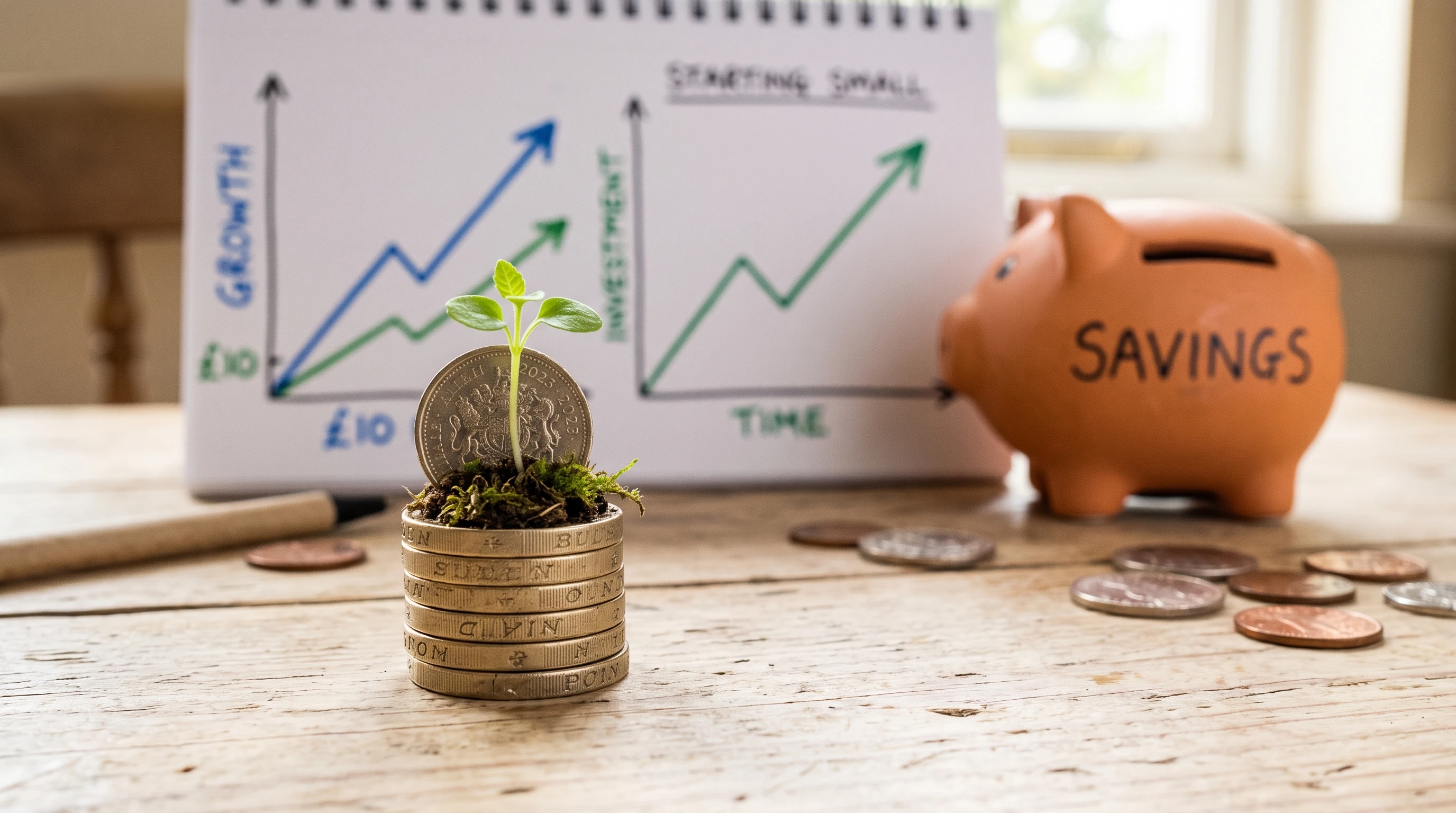
Why Investing Makes Sense Even With Limited Money
Saving in a regular old bank account is something I did for a long time, just setting aside cash bit by bit. But then I realized that leaving money untouched isn’t the most effective way to grow it. What most people don’t know is that “saving” money in the bank is like preserving ice by sitting it on your kitchen counter. The rate of inflation is like the temperature of the economy and generally melts your savings faster than the interest rate can sustain its growth.
Investing helps your money work a bit harder for you without needing a big starting balance. With compounding returns, even small amounts have the chance to grow over time, which is pretty handy if you’re not starting with much. Compounding increases over time and eventually outpaces any inflation shrinkage until your money is working harder for you than you are for it.
More platforms and apps now let you begin investing with as little as $1. This switch up in technology and finance opens up opportunities for everyone, which is a major step forward compared to even ten years ago when high minimums kept a lot of people locked out.
How To Invest With Little Money: First Steps
Jumping straight into investing with limited cash doesn’t have to be complicated, but it’s good to start with a few basics:
- Set clear goals: Decide what you want to achieve. Saving for a future purchase, planning for retirement, or just learning the ropes can all guide your choices.
- Review your finances: Make sure you’re not sinking money you can’t afford to lose, and prioritize getting rid of high-interest debt first if possible.
- Choose the right account: Look into low-minimum investment accounts like brokerage apps or robo-advisors, which keep fees and hurdles lower for new investors.
Investment Options For Beginners and Small Budgets
You’ve probably seen terms like “index funds,” “ETFs,” or “fractional shares” pop up. These are some of my favorites if I’m starting small or advising a friend with a tight budget because they’re accessible, affordable, and often low risk.
- Index funds and ETFs: These are types of investment funds that let you own little pieces of lots of different companies. They often have low fees and don’t require picking individual stocks. Some brokerages even allow buying portions of a fund (“fractional shares”). Here’s how index funds work.
- Robo advisors: Robo advisors are online platforms that automatically invest your money based on your goals and risk tolerance. Many accept small initial deposits and automate everything, which keeps it simple. Check out more about robo advisors.
- Dividend reinvestment plans (DRIPs): These plans let you reinvest dividends right back into buying more shares instead of taking the cash payout. This can slowly snowball your investments.
- Microinvesting apps: Apps like Acorns, Robinhood, or Stash round up your spare change and put it to work in small investments. It’s automatic and really useful if you want to start slowly and painlessly.
Investment Tips For Beginners With Limited Funds
I remember being super cautious my first time around, so here’s what helped me and what I recommend to anyone interested in investing with limited funds:
- Start small and stay consistent: You don’t need to save up $500 before you begin. Even a few bucks a week or month adds up over time, and consistency is key.
- Watch fees: Fees can eat into smaller investments fast. Before signing up for any platform, double-check what you’ll pay for trading, management, or withdrawals.
- Avoid chasing hot tips: It’s tempting to jump on trends you see online, but slow and steady tends to win with smaller budgets. Index funds or ETFs work well without needing to pick “the next big thing.”
- Stay patient: Investments take time to grow, and you might not see results overnight. Setting realistic expectations saves a lot of stress.
Challenges With Investing Small Amounts (And How To Handle Them)
Investing isn’t all smooth sailing, especially when you’re not putting in big numbers. Here are a few bumps I’ve trudged through, along with some workarounds:
- Lack of diversification: With limited funds, it’s tough to spread money across lots of different investments. Fractional shares and low-cost index funds can help solve this.
- Emotional investing: Watching your first investments go up and down can be nerve-wracking. Focusing on the long-term plan instead of day-to-day swings definitely helps me keep cool.
- Minimum deposit requirements: Some investment accounts still require minimums, like $500 or $1,000. Platforms such as Robinhood, Fidelity, or Charles Schwab offer accounts with no minimums, making them worth checking out if you’re starting with $10 or $50.
Investing and Emergency Funds
Before I started investing, I made sure to have a bit of a savings buffer. Having at least a small emergency fund set aside protects you from having to pull money out of investments at a bad time. Even $500 saved in a regular account is a step in the right direction before you start moving money into riskier spots.
Growing With Your Investments
As you get more comfortable and (hopefully) life gives you some extra wiggle room in your budget, you can scale up how much you invest. Reinvesting any gains and gradually increasing your monthly contributions moves you forward without too much risk. Plus, you get to build great habits along the way.
Advanced Strategies: When You’re Ready To Take It Up A Notch
Once that investment account is rolling and you’re feeling good, there are more options to explore down the road:
- Retirement accounts: Many people start with a Roth IRA or employer-sponsored 401(k). These let your money grow tax-free or tax-deferred, which can be a huge deal over time. Some IRAs let you open an account with $0 and add to it on your own schedule.
- Automatic contributions: Setting up recurring deposits each payday or month removes the guesswork. This is probably one of the easiest ways to grow investments without overthinking it.
- Learning about risk: As you gain confidence, you might want to try different assets, like bonds, real estate investment trusts (REITs), or even a little in cryptocurrency. Just make sure you understand what you’re buying first.
RealLife Examples: Small Investments In Action
I’ve seen friends join a group investment club and pool their money to buy shares they couldn’t afford alone. Apps that buy slices of popular stocks every time you make a purchase (think, rounding up your grocery bill) are becoming more popular for a reason. Every bit, no matter how small, starts building those money muscles.
- Acorns: Rounds up each purchase and puts the change in an ETF portfolio. Pretty pain-free for first-timers.
- Robinhood: No minimum account balance, and you can try fractional shares right away.
- Fidelity and Charles Schwab: Established, trusted brokerages that have removed many account minimums and offer easy to use platforms with great resources for learning about investing. Many of these now have helpful mobile apps, making it simpler to check in on your accounts regularly and set up notifications about market news. This kind of accessibility means you can start tracking your progress without feeling overwhelmed, and even set reminders to add more to your investments each month.
Frequently Asked Questions About Investing With Limited Money
Question: What’s the safest way for a beginner to start investing with a small budget?
Answer: Consider low-fee index funds, ETFs, or automated roboadvisor accounts. Stick to dollar-cost averaging by investing consistently, and don’t rush to chase trends. Starting small with familiar platforms can help you stay comfortable as you learn the ropes.
Question: Can I invest with just $10 or $20?
Answer: Yes! Many apps and brokerages allow you to start with just a few dollars, especially if they offer fractional shares or microinvesting. Getting started early helps build good habits, even when investing small amounts.
Question: What are the risks of investing with limited funds?
Answer: The main risks are market swings and the temptation to react emotionally. Compounding works better with time and consistency, so focus on the long term picture and avoid pulling money out during dips. A consistent approach is your best friend, and try not to check your investments every day.
Starting Small, Building Momentum
Starting with limited money isn’t about waiting until you’re “rich enough.” It’s about building the right habits, picking smart, low-fee products, and learning as you go. Most importantly, don’t let small beginnings stop you. Almost everyone building wealth today started with a single, seemingly tiny investment that set the rest in motion.
Stick with it, stay curious, and remember that every dollar you invest is a step toward future financial goals. If you’re ready to dip your toes into the world of investing, there’s never been a better time to get started. Building momentum by investing even a little each week or month can have big effects over years. As you learn more, you may stumble upon new opportunities and strategies to try. Keep asking questions, explore resources, and enjoy the adventure of seeing your financial future slowly take shape.
The smartest thing you can do to invest is to start early and stop trying to be smart; just be early. A 20-year-old investor will outperform a 30-year-old investor because compound interest loves momentum.
Comment below and let me know what your financial goals are for the future!